
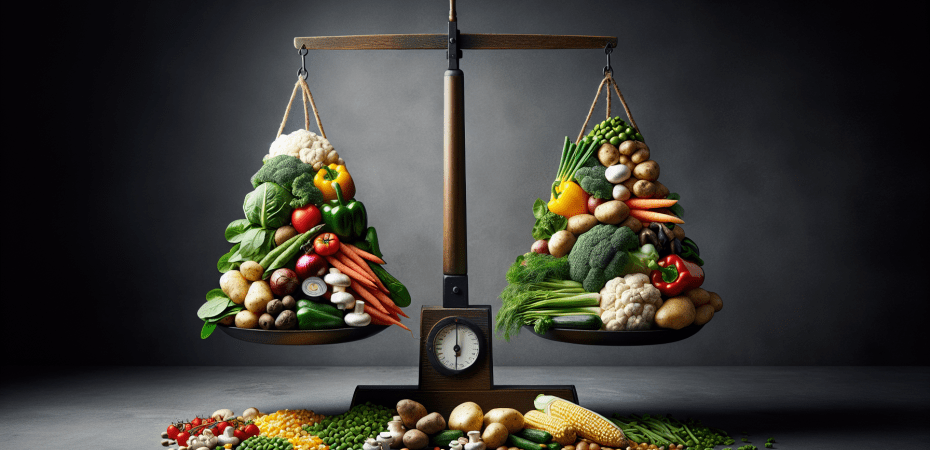
What’s the Difference?
In the world of nutrition, vegetables have super powers. They’re packed with vitamins, minerals, antioxidants, and fiber. Yet, not all veggies are created equal when it comes to their starch content and nutritional profile. Here’s a look at starchy vs. non-starchy vegetables, complete with macronutrient breakdowns for a ½ cup serving of each.
Non-Starchy Vegetables
Non-starchy vegetables are low in carbohydrates and calories, making them a perfect fit for almost any diet, especially if you’re monitoring your carb intake on Low Carb Days of the Dao Life Lunar Calendar. Here’s a list with their macronutrients for 1/2 cup:
- Spinach (1/2 Cup for all list items)
- Calories: 3
- Carbs: 0.5g
- Fiber: 0.3g
- Broccoli
- Calories: 15
- Carbs: 3g
- Fiber: 1.2g
- Bell Peppers
- Calories: 19
- Carbs: 4.5g
- Fiber: 1.5g
- Zucchini
- Calories: 10
- Carbs: 2g
- Fiber: 0.6g
- Mushrooms
- Calories: 8
- Carbs: 1.5g
- Fiber: 0.5g
- Asparagus
- Calories: 13
- Carbs: 2.5g
- Fiber: 1.5g
- Celery
- Calories: 6
- Carbs: 1.5g
- Fiber: 0.8g
- Tomatoes
- Calories: 16
- Carbs: 3.5g
- Fiber: 1g
Starchy Vegetables
Starchy vegetables are higher in carbohydrates and calories than their non-starchy counterparts. They’re an essential energy source and offer a good dose of fiber and nutrients and can be used on higher carb days on a carb cycling menu.
- Potatoes (1/2 cup cooked)
- Calories: 58
- Carbs: 13g
- Fiber: 1g
- Corn
- Calories: 64
- Carbs: 14.5g
- Fiber: 1.5g
- Peas
- Calories: 59
- Carbs: 11g
- Fiber: 4g
- Butternut Squash
- Calories: 41
- Carbs: 11g
- Fiber: 2g
- Carrots
- Calories: 27
- Carbs: 6.5g
- Fiber: 1.8g
Integrating Vegetables into Your Diet
Whether starchy or non-starchy, vegetables are a crucial part of a balanced diet. Here are a few tips for incorporating them into your meals:
- Variety is Key: Mix and match vegetables to get a wide range of nutrients.
- Choose: Lightly steamed helps digestion. Raw veggies can actually harm digestion.
- Balance Your Plate: Use food combining tips for better digestion.
- Fiber Up: Aim for a mix of both starchy and non-starchy veggies to meet your daily fiber needs.
Final Thoughts
Vegetables, regardless of their type, bring color, flavor, and vital nutrients to your plate. Understanding the differences in their macronutrient profiles can help you make informed choices that align with your dietary goals. So, the next time you’re meal planning or grocery shopping, remember the power of both starchy and non-starchy vegetables in creating a balanced, nutritious diet.
*AI Assist
Discover more from Living The Lunar Calendar with Beth
Subscribe to get the latest posts sent to your email.
 Living The Lunar Calendar with Beth
[…] Non-Starchy Vegetables (Mixed, Cooked) […]
LikeLike