In a world where health is at the forefront of many conversations, antioxidants serve as a critical topic due to their profound impact on our wellness and longevity. Here, we learn about what antioxidants are, their role in health, top foods rich in these compounds, and the significance of antioxidant supplements. Understanding antioxidants can empower you to make informed dietary choices that bolster your health against various diseases.
What Are Antioxidants?
Antioxidants are molecules that fight off free radicals in your body. Free radicals are unstable atoms that can damage cells, causing illness and aging. These radicals are a natural byproduct of processes like metabolism but can be increased by external factors such as pollution, cigarette smoke, and exposure to chemicals.
How Do Antioxidants Work?
Antioxidants neutralize free radicals by giving up some of their own electrons. This action stops the electron “theft” that free radicals engage in, which can damage cells and lead to inflammation and disease. By neutralizing free radicals, antioxidants help prevent and repair oxidative stress, a precursor to numerous chronic diseases.
Top 10 Antioxidant-Rich Foods
- Berries: Strawberries, blueberries, and raspberries are loaded with antioxidants like vitamin C and quercetin.
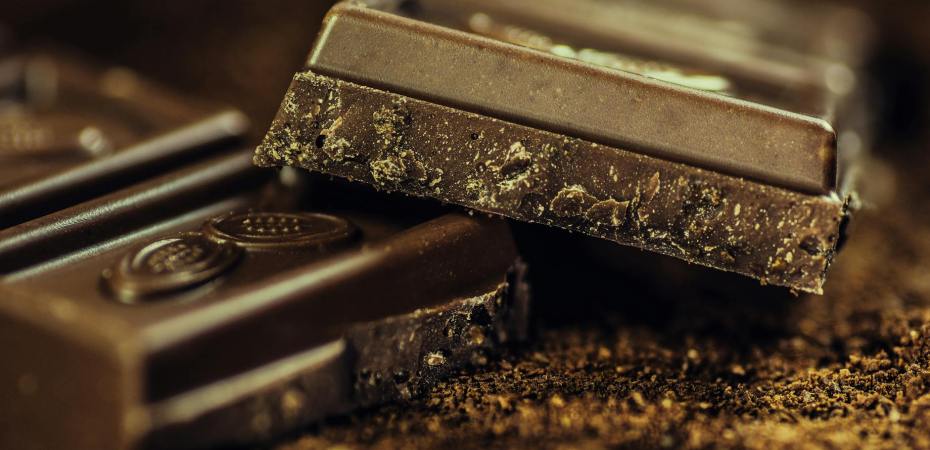
- Dark Chocolate: Rich in flavonoids that can reduce heart disease risk and lower blood pressure.
- Artichokes: High in the antioxidant known as chlorogenic acid, which can reduce inflammation.
- Pecans: Contains vitamin E and ellagic acid, which fight free radicals and improve heart health.
- Red Cabbage: Offers anthocyanins that can reduce inflammation and protect against heart disease.
- Beans: Kidney and pinto beans are high in antioxidants and fiber, promoting heart health and reduced cancer risk.
- Beets: High in betalains, which have anti-inflammatory properties and support brain health.
- Spinach: Rich in lutein and zeaxanthin, antioxidants that protect eye health.
- Kale: Offers a broad spectrum of antioxidants, including beta-carotene and vitamin C.
- Green Tea: Contains catechins, which can reduce the formation of free radicals and support metabolism.
Signs You May Need More Antioxidants
- Frequent Infections: Indicates a weakened immune system possibly due to oxidative stress.
- Fatigue: Persistent tiredness might be a sign of cellular energy reduction due to free radical damage.
- Vision Problems: Deteriorating eyesight can sometimes signify a deficiency in antioxidants like lutein and zeaxanthin.
- Skin Damage: Premature aging or poor wound healing can indicate low antioxidant levels.
Diseases Linked to Antioxidant Deficiency
- Cardiovascular Diseases: Due to oxidative damage to blood vessels and heart tissue.
- Certain Cancers: Some types of cancer are associated with oxidative DNA damage.
- Neurodegenerative Disorders: Diseases like Alzheimer’s and Parkinson’s have been linked to oxidative stress in neuronal cells.
- Diabetes: Oxidative stress influences insulin resistance and the functioning of pancreatic cells.
Top 10 Antioxidant Supplements and Recommended Doses
- Vitamin C: 500mg daily to boost immunity and skin health.
- Vitamin E: 100-200 IU daily to protect cells and improve skin condition.
- Beta-Carotene: 10,000-25,000 IU daily to enhance eye health and immunity.
- Selenium: 55-200 mcg daily to support metabolism and thyroid function.
- Zinc: 8-11 mg daily to aid in immune function and wound healing.
- Lycopene: 10-30 mg daily to reduce the risk of certain cancers and heart disease.
- Lutein: 10 mg daily for eye health.
- Astaxanthin: 4-12 mg daily to improve skin elasticity and reduce inflammation.
- Turmeric (Curcumin): 500-2,000 mg daily to combat inflammation and enhance heart health.
- Resveratrol: 150-500 mg daily to support heart health and longevity.
In Conclusion
Incorporating antioxidant-rich foods into your diet and considering supplements when necessary can significantly bolster your body’s defenses against chronic diseases. As always, it’s advisable to discuss any new supplement regimen with a healthcare provider, especially if you have underlying health conditions or are taking other medications. Remember, a balanced diet combined with a healthy lifestyle is the best foundation for disease prevention and achieving optimal health.
Discover more from
Subscribe to get the latest posts sent to your email.
 dao-life.blog
[…] Anti-Inflammatory Focus: It’s all about: […]
LikeLike
[…] Tea: Rich in antioxidants that support liver […]
LikeLike