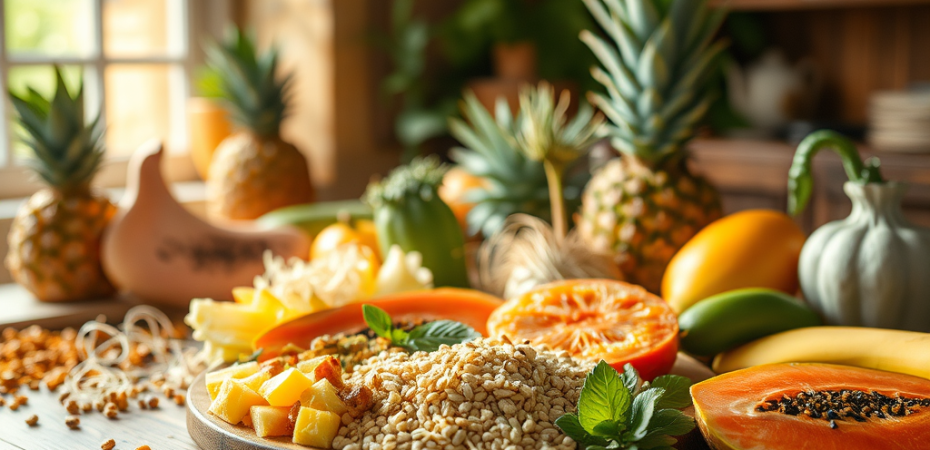
I often treat clients for digestive disorders. Many had given up on taking digestive enzymes. They did this because of adverse reactions, which is not uncommon. Let’s take a closer look at some of the cautions of taking digestive enzymes, and how to remedy them.
While digestive enzyme supplements can offer significant benefits for those with digestive issues, they aren’t suitable for everyone. Taking them without proper guidance may result in adverse effects. This is crucial if you have certain medical conditions or are on specific medications. Below are some important precautions to consider before starting enzyme supplements.
Often, if you are unable to take enzymes supplements, you can find natural enzymes in foods. If you have any of the conditions listed below, you must read labels carefully. The same applies if you are on certain medications. If you need to avoid certain enzymes, see the food list below. It offers foods with safer enzymes for your health condition. Let’s learn more.

SUMMARY: Potential Conditions that Require Caution with Enzymes
- Gastrointestinal Disorders:
- People with peptic ulcers, gastritis, or inflammatory bowel diseases (IBD) like Crohn’s disease or ulcerative colitis may experience irritation. High doses of protease or bromelain especially cause this irritation.
- REMEDY: Chose low protease & bromelain free formulas, or use digestive help foods listed below instead of concentrated supplements.
- Allergies:
- Enzymes such as bromelain from pineapples may trigger allergic reactions. Papain from papayas can also cause these reactions. This is especially true for individuals sensitive to these fruits or latex. Symptoms may include itching, rashes, or even anaphylaxis.
- REMEDY: Chose Proteolytic free enzyme formulas or foods listed below to replace supplementation.
- Blood Disorders:
- Bromelain can act as a natural blood thinner. This may pose risks for those with hemophilia or other bleeding disorders. It can also be risky for people on blood thinners.
- REMEDY: Use bromelain free supplements or foods listed below (sprouted grains) instead. Caution with certain herbal remedies too.
- Pancreatitis:
- People with chronic pancreatitis or other pancreatic issues should consult a healthcare provider before using enzyme supplements. The supplements can either alleviate the condition or worsen it, depending on the type and dosage.
- REMEDY: Look to food sources listed below and eat those foods with a meal.
- Kidney or Liver Issues:
- Enzymes are metabolized by the liver and kidneys, so those with kidney disease or liver dysfunction should proceed with caution. Excessive enzyme supplementation may place extra stress on these organs.
- REMEDY: Use food sources only.
SUMMARY: Potential Interactions with Commonly Prescribed Medications
- Blood Thinners (e.g., Warfarin, Aspirin):
- Bromelain and other proteolytic enzymes like Papain can enhance the blood-thinning effects, increasing the risk of bleeding or bruising.
- Anti-diabetic Medications (e.g., Metformin, Insulin):
- Digestive enzymes like amylase can alter blood sugar levels, potentially interfering with the effectiveness of diabetes medications.
- Antacids and Proton Pump Inhibitors (e.g., Omeprazole, Ranitidine):
- Enzymes may not work effectively in individuals on acid-reducing medications because they require a specific pH level to be active.
- Antibiotics (e.g., Amoxicillin, Ciprofloxacin):
- Some enzymes, particularly those with protease, may increase the absorption of antibiotics, potentially intensifying their effects and side effects.
- NSAIDs (e.g., Ibuprofen, Naproxen):
- Enzymes like bromelain may increase the risk of gastrointestinal irritation or bleeding when taken alongside NSAIDs.
Below is a tailored guide with food-based alternatives for those with certain conditions or on specific medications. This way, you can avoid potential risks associated with enzyme supplements. You can do this by choosing enzyme-rich foods that are generally safer and less likely to cause adverse effects.
For Gastrointestinal Disorders (Peptic Ulcers, Gastritis, IBD)
- Caution: High doses of protease or bromelain supplements may irritate the stomach lining.
- Food Alternatives:
- Papaya (contains papain): Gentle on the stomach, aids in protein digestion without causing irritation.
- Banana (contains amylase and maltase): Helps soothe the stomach lining while aiding carbohydrate digestion.
- Why?: These foods provide milder enzymes that are gentler on the digestive tract. They are less likely to aggravate existing inflammation.
For Allergies (Bromelain and Papain Sensitivities)
- Caution: Bromelain (from pineapple) or papain (from papaya) supplements can cause allergic reactions.
- Food Alternatives:
- Kiwi (contains actinidin, a natural protease): Aids in protein digestion without the allergens found in pineapple or papaya.
- Figs (contains ficin): Helps break down proteins and can be a gentler alternative.
- Why?: These foods provide similar digestive benefits with a lower risk of allergic reactions.
For Blood Disorders (Hemophilia, Blood Clotting Issues)
- Caution: Bromelain acts as a natural blood thinner, which can increase bleeding risk.
- Food Alternatives:
- Asparagus (contains amylase and protease): Supports digestion without affecting blood clotting.
- Sprouted Grains (contains amylase and phytase): Helps with nutrient absorption and digestion without blood-thinning properties.
- Why?: These options offer digestive enzyme support without interfering with blood clotting mechanisms.
For Pancreatic Issues (Chronic Pancreatitis)
- Caution: Excessive supplementation of lipase or protease may overburden the pancreas.
- Food Alternatives:
- Avocado (contains lipase and moderate protease): Provides healthy fats and enzymes in a gentle, natural form.
- Mango (contains amylase): Supports carbohydrate digestion with low pancreatic strain.
- Why?: These foods offer naturally occurring enzymes that are less likely to stress the pancreas.
For Kidney and Liver Conditions
- Caution: Excessive enzyme supplementation can stress the liver and kidneys due to the need for processing and metabolization.
- Food Alternatives:
- Cucumber with skin (contains amylase and pectinase): Supports gentle digestion and hydration, which can ease the burden on the liver and kidneys.
- Ginger (contains zingibain, a natural protease): Aids digestion while supporting liver function with its anti-inflammatory properties.
- Why?: These enzyme-rich foods are easier for the liver and kidneys to process compared to concentrated supplements.
For Those on Blood Thinners (Warfarin, Aspirin)
- Caution: Bromelain and proteolytic enzymes can enhance blood-thinning effects, increasing bleeding risk.
- Food Alternatives:
- Fermented Miso (contains amylase and protease): Provides digestive support without affecting blood clotting.
- Sauerkraut (contains lactase, amylase, and cellulase): Aids in digestion and is a natural probiotic without impacting blood thickness.
- Why?: Fermented foods offer digestive enzyme benefits without the blood-thinning risk.
For Those on Anti-diabetic Medications (Metformin, Insulin)
- Caution: Amylase supplements can affect blood sugar levels and interact with diabetes medications.
- Food Alternatives:
- Blueberries (naturally supports digestion and low glycemic impact): Provides antioxidants and fiber without dramatically affecting blood sugar levels.
- Raw Honey (contains invertase and amylase): Use in moderation to aid digestion while being mindful of sugar content.
- Why?: These foods provide gentle enzyme activity while being diabetes-friendly when consumed in moderation.
For Those on Antacids or Proton Pump Inhibitors (Omeprazole, Ranitidine)
- Caution: Enzyme supplements may not work effectively if the stomach’s pH is altered by antacids.
- Food Alternatives:
- Pineapple (contains bromelain): Natural enzyme source that can aid digestion without being affected by stomach acid levels.
- Raw Apple Cider Vinegar (contains amylase and protease): Supports natural digestive enzyme production without interfering with stomach pH.
- Why?: These foods can support digestion naturally and are effective even if stomach acid levels are reduced.
For Those on Antibiotics (Amoxicillin, Ciprofloxacin)
- Caution: Protease supplements may increase the absorption of antibiotics, which can intensify their effects.
- Food Alternatives:
- Sauerkraut (fermented, rich in probiotics and enzymes): Supports gut health and helps replenish good bacteria depleted by antibiotics.
- Yogurt (Non-dairy) (contains lactase and other digestive enzymes): Aids digestion and promotes gut health without interfering with antibiotics.
- Why?: Fermented foods restore gut flora and digestion without altering medication absorption.
These enzyme-rich foods offer a natural, safer approach to supporting your digestive health. This is especially true if you have underlying conditions. It is also beneficial if you are on specific medications. By choosing whole foods, you can avoid the potential risks of concentrated enzyme supplements. You can still enjoy the benefits of improved digestion.
High Enzyme Foods: Levels Listed by order of Concentration
Here is a list of enzyme-rich foods. It includes the specific enzymes they contain. The foods are organized by the concentration levels of these enzymes within each food. Use this list to choose your enzymatic digestive food list based on the recommendations and limitations listed above.

1. Pineapple
- Bromelain: ~500 GDU (Gelatin Digesting Units) per cup of fresh pineapple
- Amylase: Moderate levels, aiding carbohydrate breakdown
- Protease: Lower concentrations compared to bromelain, supporting protein digestion
2. Papaya
- Papain: ~100-300 MCU (Milk Clotting Units) per medium papaya
- Chymopapain: ~30 MCU per medium papaya (supports protein digestion)
- Amylase: Present in moderate amounts
- Lipase: Small amounts to aid fat digestion
3. Mango
- Amylase: ~50-100 DU (Dextrinizing Units) per medium mango (supports carbohydrate breakdown)
- Protease: Moderate levels, particularly in ripe mangoes
- Cellulase: Present in small amounts for breaking down plant fibers
4. Kiwi
- Actinidin (Protease): ~200-250 CDU (Casein Digesting Units) per 100g of kiwi
- Amylase: Moderate levels, aiding starch digestion
- Pectinase: Small amounts, particularly in the skin
5. Banana
- Amylase: ~50-150 DU per medium banana
- Maltase: High levels, helping break down maltose (a type of sugar)
- Invertase: Moderate levels for converting sucrose into glucose and fructose
6. Avocado
- Lipase: ~200-300 FIP (Federation Internationale Pharmaceutique units) per medium avocado
- Protease: Moderate levels, aiding protein digestion
- Amylase: Present in smaller quantities
7. Ginger
- Zingibain (Protease): ~120 CDU per 100g of ginger
- Lipase: Moderate amounts to aid fat digestion
- Amylase: Present in small quantities
8. Asparagus
- Amylase: ~30-60 DU per cup of asparagus
- Protease: Moderate levels to support protein digestion
- Cellulase: Present in small quantities for breaking down cellulose
9. Sprouted Grains (e.g., Barley, Wheat)
- Amylase: ~300-500 DU per 100g of sprouted grains
- Protease: Moderate levels, especially in sprouted wheat
- Phytase: High levels, helping break down phytic acid to increase mineral absorption
10. Sauerkraut
- Lactase: ~50-100 ALU per cup, aiding in lactose digestion (due to fermentation)
- Amylase: Moderate levels due to fermentation process
- Cellulase: Moderate levels from breakdown of plant fibers during fermentation
11. Fermented Miso
- Amylase: ~200 DU per tablespoon
- Protease: High levels due to fermentation
- Lipase: Moderate levels from breakdown of fats during fermentation
12. Honey (Raw, Unpasteurized)
- Invertase: ~500 IU per tablespoon (breaks down sucrose)
- Amylase: Moderate levels for starch digestion
- Diastase: Present in smaller quantities for breaking down starches into sugars
13. Figs
- Ficin (Protease): ~150-200 MCU per medium fig
- Amylase: Moderate levels for carbohydrate digestion
- Lipase: Small amounts for fat digestion
14. Pine Nuts
- Lipase: ~200 FIP per ounce
- Protease: Moderate levels to assist with protein digestion
- Amylase: Small quantities for carbohydrate breakdown
15. Cucumber (with skin)
- Amylase: ~20-40 DU per cup of cucumber
- Protease: Present in small amounts
- Pectinase: Low levels in the skin for breaking down plant pectin
These foods not only provide a natural source of digestive enzymes but also come with additional nutrients and antioxidants. Including a variety of these enzyme-rich foods in your diet can naturally enhance digestion. They support overall gut health without causing digestive discomfort. They also do not interfere with your prescription medications.
General Precautions
- Consult a Healthcare Professional:
- Always consult your doctor before starting enzyme supplements, especially if you have underlying health conditions or are taking prescription medications.
- Start with a Low Dose:
- It’s best to begin with a lower dose. This helps to gauge your body’s reaction. This is particularly important if you have a sensitive digestive system.
- Watch for Side Effects:
- Possible side effects may include stomach pain, nausea, diarrhea, or allergic reactions. If these occur, discontinue use and consult a healthcare provider.
Digestive enzymes can provide valuable relief for many, but they are not a one-size-fits-all solution. Understanding the potential risks and interactions ensures a safer and more beneficial experience.
Discover more from
Subscribe to get the latest posts sent to your email.
 dao-life.blog
[…] may result in adverse effects. Before buying or taking any enzyme supplements, check out this ENZYME CAUTION blog, especially […]
LikeLike