
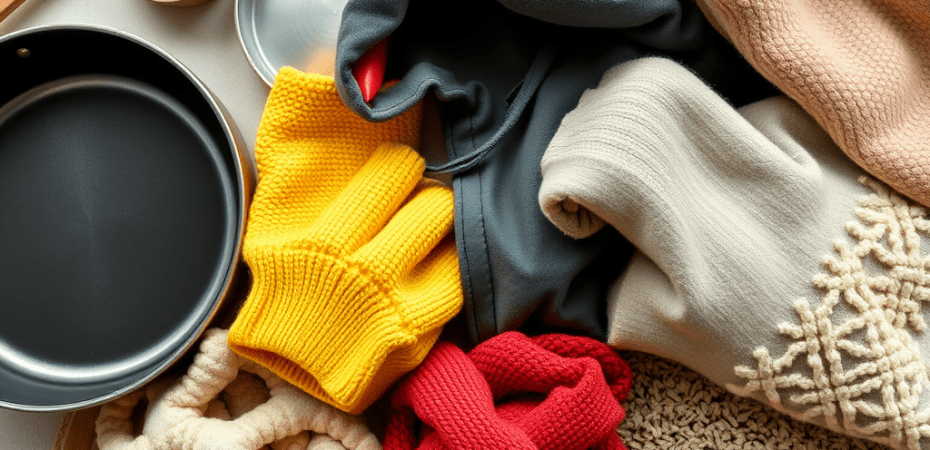
Forever chemicals, scientifically known as per- and polyfluoroalkyl substances (PFAS), are human-made. They are a group of chemicals that don’t easily break down in the environment. They also persist in the human body. This persistence has earned them the term “forever chemicals.”
Common Types of Forever Chemicals:
- PFOA (Perfluorooctanoic acid): Used in non-stick cookware.
- PFOS (Perfluorooctane sulfonate): Found in water-repellent fabrics and firefighting foams.
- PFHxS (Perfluorohexane sulfonic acid): Present in stain-resistant carpets.
- GenX Chemicals: Replacements for older PFAS but still harmful.

Negative Effects of Forever Chemicals on the Body:
- Hormonal Disruption: PFAS interfere with endocrine function, potentially leading to thyroid issues.
- Cancer Risk: Long-term exposure is linked to kidney and testicular cancers.
- Immune System Suppression: PFAS can weaken the immune response.
- Liver Damage: Increased risk of liver disease and elevated cholesterol levels.
- Developmental Issues: In children, exposure may result in developmental delays.
Where Do Forever Chemicals Occur?
Forever chemicals are pervasive, appearing in:
- Clothing and Textiles: Stain-resistant, water-repellent, and wrinkle-free fabrics.
- Food Packaging: Grease-proof coatings in fast food wrappers.
- Non-stick Cookware: Pots and pans coated with Teflon.
- Household Products: Carpets, upholstery, and cleaning agents.
- Drinking Water: Contamination from industrial and agricultural runoff.
Forever Chemicals in Clothing Textiles
- Water-Repellent Fabrics: Gore-Tex, raincoats, and outdoor gear often contain PFAS.
- Stain-Resistant Treatments: Found in school uniforms, upholstery, and carpets.
- Performance Wear: Synthetic fabrics like polyester and nylon treated for moisture-wicking or durability.
How to Avoid or Diminish the Negative Impact:
- Choose Natural Fibers: Opt for organic cotton, linen, hemp, wool, and silk.
- Where to Buy Clothing Made from Good Fibers:
- Patagonia
- Pact
- Eileen Fisher
- People Tree
- Thought Clothing
- Avoid Treated Fabrics: Steer clear of water-resistant or stain-proof clothing.
- Wash New Clothes: Remove surface-level chemicals by washing before wear.
- Filter Drinking Water: Use reverse osmosis systems to eliminate PFAS.
- Read Labels: Look for certifications like OEKO-TEX or GOTS to ensure safety.
Natural Fibers and Their Frequencies
Natural fabrics are not only free from harmful chemicals but may also align better with the body’s natural energy fields.
- Linen: Around 5,000 Hz—promotes harmony.
- Wool: Also about 5,000 Hz—offers grounding benefits.
- Silk: 5,000 Hz—associated with higher vibrational energy. This is why Silk is used in energy based exercise clothing like Qigong and Tai Chi wear.
- Cotton: Approximately 100 -2500 Hz— depending on processing.
In contrast, synthetic fabrics like polyester, rayon, and nylon have frequencies below 100 Hz. These lower frequencies might not support the body’s natural energy as effectively.
Resonance: The Science of Fabric Frequencies
The concept of resonance explores how materials interact with our body’s natural energy. Higher frequencies from natural fibers are believed to enhance well-being, while low-frequency synthetic fabrics might disrupt it. This principle aligns with historical guidelines, such as those in ancient texts, emphasizing the use of pure, natural materials.
Conclusion
Forever chemicals are a pervasive threat to both personal health and the environment. By making informed choices, you can reduce exposure. Opt for untreated, natural fibers. Washing new clothes is another helpful practice. Additionally, considering the vibrational frequencies of fabrics may further support overall well-being. Choosing high-frequency, natural fibers like clean linen, hemp and silk ensures both health and harmony.
“#ForeverChemicals #PFASFree #SustainableFashion #NaturalFibers #EcoFriendlyClothing #LinenLove #HealthyLiving #ResonanceScience #CleanClothing #PFASAwareness #DetoxYourLife #GreenTextiles #OrganicFashion #ClothingFrequencies #ChemicalFreeLiving”

Discover more from Living The Lunar Calendar with Beth
Subscribe to get the latest posts sent to your email.
 Living The Lunar Calendar with Beth
[…] and processing fabrics for our clothes. More reports are emerging. They highlight the presence of FOREVER CHEMICALS in certain artificial fabrics. These chemicals are also in sprayed on textiles used in furniture and home […]
LikeLike