
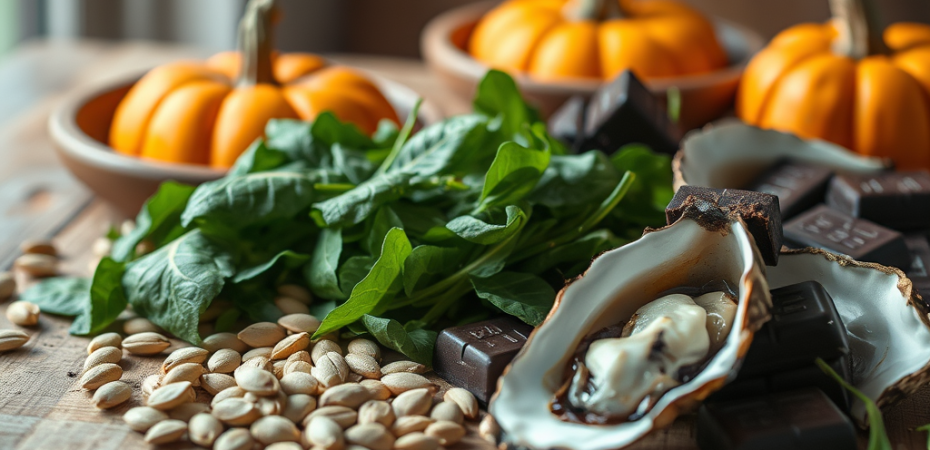
It’s Lunar Day 24, so it’s time to focus on brain health. The brain is active today. In the hustle of daily life, we often overlook the impact of nutrition on our brain health. While we focus on exercise and mindfulness, the minerals we consume can be equally important. They help maintain cognitive function, memory, mood, and focus.
Essential minerals like magnesium, zinc, iron, and calcium play critical roles. They are needed for functions like neurotransmitter production to stress regulation. But with today’s processed food-heavy diets, many of us are falling short of these key nutrients.
Let’s explore how these minerals affect your brain and how to fill the gaps for optimal mental performance and well-being. Studies show taking the right amount is important for health. Too much or too little can be harmful either way. Learn how to get enough without taking too much. Food amounts are based on 1/2 cup servings.
Summary of All Minerals:
Here’s a summary for recommended daily allowance, average intake and amount of supplement you may likely need.
- Magnesium:
- RDA: 310-320 mg (women), 400-420 mg (men)
- Average intake: 250 mg
- Supplementation needed: 60-170 mg, depending on gender and diet.
- Zinc:
- RDA: 8 mg (women), 11 mg (men)
- Average intake: 7 mg
- Supplementation needed: 1-5 mg, depending on gender.
- Iron:
- RDA: 8-18 mg (depending on gender and age)
- Average intake: 10 mg
- Supplementation needed: Women may need an additional 8 mg, especially post-menopausal, while men typically meet their needs.
- Calcium:
- RDA: 1,000-1,200 mg
- Average intake: 700-800 mg
- Supplementation needed: 300-400 mg.
- Selenium:
- RDA: 55 mcg
- Average intake: 30-40 mcg
- Supplementation needed: 20-25 mcg.
- Copper:
- RDA: 900 mcg
- Average intake: 500-600 mcg
- Supplementation needed: 300-400 mcg
- Iodine:
- RDA: 150 mcg
- Average intake: 100-130 mcg
- Supplementation needed: 20-50 mcg
For those who want to learn more, here’s the full break down of each mineral.
1. Magnesium
Benefits for the Brain:
- Supports neurotransmitter activity: Magnesium is essential for nerve signal transmission and communication between neurons.
- Reduces stress: Regulates stress hormones and supports relaxation by influencing the parasympathetic nervous system.
- Improves sleep: Helps regulate melatonin production, promoting deeper sleep cycles.
Deficiency Symptoms:
- Anxiety, irritability, headaches, insomnia, and memory problems.
- Muscle cramps, weakness, and chronic fatigue.
Excess Symptoms:
- Nausea, diarrhea, low blood pressure, and difficulty breathing (extreme cases).
Common Magnesium Sources (per 1/2 cup serving):
- Top 5 Foods by Magnesium Content:
- Pumpkin Seeds: 84 mg
- Spinach: 78.5 mg (cooked)
- Swiss Chard: 77mg (cooked)
- Black Beans: 60 mg (cooked)
- Almonds: 40 mg
- Top 5 Popular Foods:
- Dark Chocolate: 64 mg (per 1 oz, ~1/4 cup)
- Oatmeal: 28.5 mg (cooked)
- Tofu: 26.5 mg (cubed) (caution with Tofu)
- Avocado: 22 mg (sliced)
- Banana: 16 mg (sliced)
RDA:
- Women: 310-320 mg
- Men: 400-420 mg
Average Intake (on a processed diet):
- Most Americans consume about 250 mg per day, which is below the RDA.
Supplementation Needed:
- Women: Supplement 60-70 mg
- Men: Supplement 150-170 mg
2. Zinc
Benefits for the Brain:
- Cognitive function: Zinc plays a vital role in learning, memory, and supporting neural communication.
- Mood regulation: Zinc is involved in serotonin production, helping to balance mood and reduce symptoms of anxiety and depression.
- Immune support: Zinc boosts the immune system, indirectly benefiting brain health by reducing inflammation.
Deficiency Symptoms:
- Depression, irritability, memory problems, weakened immune function, and impaired sense of taste and smell.
Excess Symptoms:
- Nausea, vomiting, stomach cramps, headaches, and decreased immune response over time.
Common Zinc Sources (per 1/2 cup or serving):
- Top 5 Foods by Zinc Content:
- Oysters: 37 mg
- Beef: 5 mg (cooked, ground)
- Crab: 3.8 mg (cooked)
- Pumpkin Seeds: 3.3 mg (ground)
- Lobster: 2.25 mg (cooked)
- Top 5 Popular Foods:
- Fortified Cereals: ~5 mg
- Chickpeas: 1.25 mg (cooked)
- Quinoa: 1 mg (cooked)
- Yogurt:1 mg (plain, low-fat)
- Cashews: .8 mg
RDA:
- Women: 8 mg
- Men: 11 mg
Average Intake (on a processed diet):
- The average intake is 7 mg, which is below the RDA.
Supplementation Needed:
- Women: Supplement 1-2 mg
- Men: Supplement 4-5 mg
3. Iron
Benefits for the Brain:
- Oxygen transport: Iron helps carry oxygen to the brain, supporting cognitive function and energy levels.
- Neurotransmitter synthesis: Iron is necessary for producing dopamine and serotonin, which influence mood and behavior.
Deficiency Symptoms:
- Fatigue, poor concentration, memory problems, irritability, and anemia.
Excess Symptoms:
- Stomach pain, nausea, joint pain, and fatigue. In extreme cases, it can lead to organ damage due to iron overload.
Common Iron Sources (per 1/2 cup or serving):
- Top 5 Foods by Iron Content:
- Clams: 11.5 mg (cooked)
- Oysters: 3.5 mg (cooked)
- Tofu: 3.3 mg (cubed) Tofu caution
- Lentils: 3.3 mg (cooked)
- Spinach: 3.2 mg (cooked)
- Top 5 Popular Foods:
- Dark Chocolate: 7 mg (per 1 oz, ~1/4 cup)
- Quinoa: 1.4 mg (cooked) (1/2 cup)
- Beef: 1.3 mg (cooked, ground) (1/2 cup)
- Pumpkin Seeds: 0.6 mg (ground- 1/4 cup)
- Chicken Breast: 0.55 mg (cooked) (1/2 cup)
RDA:
- Women: 8-18 mg (higher for women of childbearing age)
- Men: 8 mg
Average Intake (on a processed diet):
- The average American diet provides about 10 mg of iron, but processed diets often lack sufficient heme iron.
Supplementation Needed:
- Women (50+): Supplement 8 mg
- Men: Minimal supplementation is usually needed unless there’s a specific deficiency or physical problem affecting iron absorption in the body.
4. Calcium
Benefits for the Brain:
- Nerve transmission: Calcium is vital for communication between brain cells and helps release neurotransmitters.
- Mood regulation: Adequate calcium levels influence mood-stabilizing neurotransmitters, such as serotonin.
Deficiency Symptoms:
- Depression, irritability, muscle cramps, memory issues, and confusion.
Excess Symptoms:
- Kidney stones, constipation, and impaired absorption of other minerals, such as iron and zinc.
Common Calcium Sources (per 1/2 cup or serving):

- Top 5 Foods by Calcium Content:
- Sardines (with bones): 284.5 mg (canned)
- Yogurt: 207.5 mg (plain, low-fat)
- Cheese: 138 mg (shredded cheddar)
- Collard Greens: 134 mg (cooked)
- Tofu (calcium-set): 126.5 mg (cubed) (tofu caution)
- Top 5 Popular Foods:
- Fortified Orange Juice: 174.5 mg
- Milk: 152.5 mg
- Almonds: 123 mg
- Kale: 90 mg (cooked)
- Broccoli: 31 mg (cooked)
RDA:
- Women and Men: 1,000-1,200 mg
Average Intake (on a processed diet):
- The average intake is about 700-800 mg, which is below the RDA.
Supplementation Needed:
- Women and Men: Supplement 300-400 mg
5. Selenium
Benefits for the Brain:
- Antioxidant protection: Selenium helps neutralize free radicals in the brain, reducing oxidative damage and the risk of cognitive decline.
- Thyroid hormone regulation: Selenium supports the thyroid, which plays a role in metabolism and mood stabilization.
Deficiency Symptoms:
- Fatigue, brain fog, depression, and cognitive decline. Low selenium can also lead to thyroid dysfunction, impacting mood and energy levels.
Excess Symptoms:
- Hair loss, brittle nails, metallic taste, and nausea. In extreme cases, selenium toxicity can lead to liver and neurological damage.
Common Selenium Sources (per 1/2 cup or serving):
- Top 5 Foods by Selenium Content:
- Brazil Nuts: 272 mcg (ground)
- Oysters: 46.5 mcg (cooked)
- Tuna: 46 mcg (cooked)
- Shrimp: 20 mcg (cooked)
- Chicken Breast: 15.5 mcg (cooked)
- Top 5 Popular Foods:
- Brown Rice: 9.5 mcg (cooked)
- Sunflower Seeds: 9.5 mcg (ground)
- Eggs: 7.5 mcg (scrambled)
- Whole Wheat Bread: 6.5 mcg (per slice)
- Spinach: 5.5 mcg (cooked)
RDA:
- Women and Men: 55 mcg
Average Intake (on a processed diet):
- The average American diet provides about 30-40 mcg of selenium, which is below the RDA.
Supplementation Needed:
- Women and Men: Supplement 20-25 mcg daily to meet the RDA.
6. Copper
Benefits for the Brain:
- Supports neurotransmitter activity: Copper is essential for the synthesis of neurotransmitters. It helps produce neurotransmitters like dopamine. Dopamine plays a key role in mood, cognition, and memory.
- Promotes brain development: It helps in the formation of myelin sheaths around nerves, ensuring proper nerve signal transmission.
- Antioxidant defense: Copper assists in neutralizing free radicals in the brain, reducing oxidative stress that can lead to cognitive decline.
Deficiency Symptoms:
- Difficulty concentrating and memory problems
- Fatigue, depression, and irritability
- Weakened immune function, which can indirectly affect brain health
- Loss of coordination (ataxia) and numbness in extremities
Excess Symptoms:
- Nausea and vomiting
- Abdominal pain and diarrhea
- Neurological problems such as headaches, dizziness, or mood swings (in severe cases, copper toxicity can cause brain and liver damage)
Common Copper Sources (per 1/2 cup or serving):
- Top 5 Foods by Copper Content:
- Dark Chocolate: 500 mcg (per 1 oz)
- Oysters: 335 mcg
- Shiitake Mushrooms: 325 mcg (cooked)
- Cashews: 311 mcg
- Sunflower Seeds: 125 mcg (ground 1/4 cup)
- Top 5 Popular Foods:
- Quinoa: 177.5 mcg (cooked)
- Chickpeas: 150 mcg (cooked)
- Potatoes: 125 mcg (baked)
- Avocado: 95 mcg (sliced)
- Lentils: 1.25 mcg (cooked)
RDA:
- Women and Men: 900 mcg
Average Intake (on a processed diet):
- The typical American diet provides around 500-600 mcg of copper, which is below the RDA.
Supplementation Needed:
- Women and Men: Supplement 300-400 mcg daily to meet the RDA.
7. Iodine
Benefits for the Brain:
- Supports thyroid function: Iodine is essential for the production of thyroid hormones, which regulate metabolism, growth, and brain development.
- Enhances cognitive function: Adequate iodine levels are crucial for maintaining focus, memory, and mental clarity. This is especially important during brain development in children. It is also important during aging.
- Regulates mood: Iodine influences the production of serotonin, a neurotransmitter that helps maintain mood balance and reduce symptoms of depression.
Deficiency Symptoms:
- Cognitive impairments, such as poor memory or inability to concentrate
- Depression and mood swings
- Fatigue, lethargy, and weight gain due to an underactive thyroid (hypothyroidism)
- Swollen neck (goiter) due to enlarged thyroid gland
Excess Symptoms:
- Hyperthyroidism (overactive thyroid), which can cause weight loss, irritability, and rapid heartbeat
- Acne or skin irritation
- Metallic taste in the mouth
- In extreme cases, excess iodine can damage the thyroid and disrupt hormone levels
Common Iodine Sources (per 1/2 cup or serving):

- Top 5 Foods by Iodine Content:
- Seaweed (Kelp): 21,000 mcg (dried)
- Wakame: 200 mcg (dried)
- Cod: 49.5 mcg (cooked)
- Tuna: 45 mcg (cooked)
- Shrimp: 17.5 mcg (cooked)
- Top 5 Popular Foods:
- Yogurt: 37.5 mcg (plain, low-fat)
- Milk: 28 mcg
- Eggs: 12 mcg (scrambled)
- Mozzarella Cheese: 7.5 mcg (shredded)
- Strawberries: 6.5 mcg (sliced)
RDA:
- Women and Men: 150 mcg
Average Intake (on a processed diet):
- The typical American diet provides 100-130 mcg of iodine. This amount can be slightly below the RDA if dairy or iodized salt is not consistently consumed.
Supplementation Needed:
- Women and Men: Supplement 20-50 mcg of iodine daily. This is especially important if iodine-rich foods like seafood or iodized salt are not regularly consumed.
How to Keep It Balanced:
Studies show that the best way to use minerals is within the daily recommended allowance. Too much or too little matters. Here’s some tips on keeping your daily mineral allowance in check for optimal brain health.
- Rotate High-Content Foods: Focus on not eating too much of a food that’s extremely high in a particular mineral (e.g., Brazil nuts for selenium or seaweed for iodine). Incorporate these foods sparingly in your diet.
- Watch Serving Sizes: Especially with nuts and seeds, it’s easy to consume too much in a short time. Moderation is key.
- Variety is Key: Rely on multiple food sources for each mineral to ensure you’re not overloading on one. For example, mix magnesium-rich foods like spinach, almonds, and black beans across different meals.
- Check for Fortified Foods: Be mindful of processed or fortified foods that may add extra minerals (e.g., cereals or fortified beverages), which could tip you over the recommended limits.
- Listen to Your Body: Symptoms of excess intake can vary but often include nausea, digestive issues, or fatigue. If you notice these signs, re-evaluate your intake.

Incorporating a variety of whole foods into the diet can help meet these mineral RDAs. This can be achieved without heavy reliance on supplements. However, given the gaps in the average American diet (processed, fast food-heavy), supplementation is often necessary. It ensures adequate intake of key brain-health-supporting minerals like magnesium, zinc, iron, calcium, and selenium.
Discover more from Living The Lunar Calendar with Beth
Subscribe to get the latest posts sent to your email.
 Living The Lunar Calendar with Beth
Good information. Thanks for all you do to educate. Miss you…. 😉
Sent from my iPhone
LikeLike