
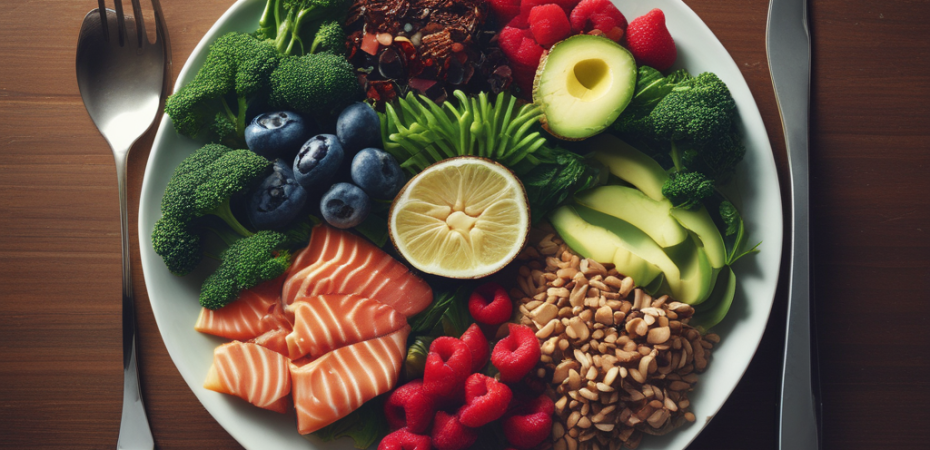
Maintaining optimal brain health and good circulation is crucial for overall well-being. A diet rich in specific nutrients and supplements can support brain health enhancing cognitive functions and the pineal & pituitary glands in the brain that are responsible for growth, reproduction, circadian rhythms, sleep patterns, mood, immune function, growth, and metabolism.
Here’s a guide to the best foods and supplements for overall brain health and circulation.
Foods for Brain Health and Circulation
Leafy Green Vegetables
- Spinach, Kale, and Swiss Chard
- Benefits: Rich in vitamins A, C, and K, and folate, which support brain function and circulation.
- How to Consume: Add to salads, smoothies, or sauté as a side dish.
Fatty Fish
- Salmon, Mackerel, and Sardines
- Benefits: High in omega-3 fatty acids, crucial for brain health and reducing inflammation.
- How to Consume: Grill, bake, or add to salads and sandwiches.
Berries
- Blueberries, Strawberries, and Blackberries
- Benefits: Packed with antioxidants that protect the brain from oxidative stress and improve blood flow.
- How to Consume: Eat as a snack, add to yogurt, or blend into smoothies.
Nuts and Seeds
- Walnuts, Almonds, and Flaxseeds
- Benefits: Provide omega-3 fatty acids, vitamin E, and other nutrients that support brain health.
- How to Consume: Snack on them, add to oatmeal, or use as a topping for salads.
Dark Chocolate
- Cocoa content 70% or higher
- Benefits: Contains flavonoids that improve blood flow to the brain and enhance cognitive function.
- How to Consume: Enjoy a small piece daily or add cocoa powder to smoothies.
Whole Grains
- Oats, Quinoa, and Brown Rice
- Benefits: Provide steady energy and support cardiovascular health, essential for good circulation.
- How to Consume: Use as a base for meals, in salads, or as a side dish.
Avocado
- Rich in healthy fats
- Benefits: Supports healthy blood flow and reduces the risk of hypertension, which can impact brain health.
- How to Consume: Add to salads, toast, or smoothies.
Supplements for Brain Health and Circulation
Omega-3 Fatty Acids
- Fish Oil or Algal Oil Supplements
- Benefits: Essential for brain function and reducing inflammation.
- Dosage: Follow the recommended dosage on the supplement label.
Ginkgo Biloba
- Herbal Supplement
- Benefits: Improves blood circulation and cognitive function.
- Dosage: Typically 120-240 mg, divided into two doses on Lunar Days 1-5, 21-25, & 28.
Curcumin
- Active Compound in Turmeric
- Benefits: Powerful anti-inflammatory and antioxidant properties that support brain health.
- Dosage: 500-1,000 mg per day with black pepper to enhance absorption. Days 16-20 & 27-29.
Bacopa Monnieri
- Ayurvedic Herb
- Benefits: Enhances memory and cognitive function by improving blood flow to the brain.
- Dosage: 300-450 mg. Alternate with Ginkgo, use on same days. (Lunar Days 1-5, 21-25, & 28)
Vitamin D
- Supports overall brain health
- Benefits: Regulates calcium and phosphate in the body, crucial for brain health.
- Dosage: 600-800 IU per day, depending on age and sun exposure.
Magnesium
- Essential Mineral
- Benefits: Supports nerve function and reduces brain inflammation.
- Dosage: 300-400 mg per day. Daily ok.
Pineal Gland Support
Melatonin
- Hormone Supplement
- Benefits: Regulates sleep-wake cycles, crucial for pineal gland function.
- Dosage: 0.5-5 mg taken before bedtime.
Iodine
- Mineral
- Benefits: Supports overall endocrine function, including the pineal gland.
- Dosage: 150 mcg per day.
Goji Berries
- Superfood
- Benefits: Contains nutrients that support pineal gland health and melatonin production.
- How to Consume: Eat as a snack, add to smoothies, or use in trail mixes.
Coconut Oil
- Healthy Fat
- Benefits: Provides ketones, an alternative energy source for brain cells, and supports pineal gland health.
- How to Consume: Use in cooking or add to smoothies and coffee.
Pituitary gland support
Vitamins
- Vitamin A
- Vitamin D
- Vitamin E
- B-Vitamins (especially B6 and B12)
Minerals
- Magnesium
- Zinc
- Selenium
- Iodine
Herbs
- Ashwagandha
- Maca Root
- Ginseng
- Holy Basil
- Rhodiola Rosea
- Licorice Root
Other Holistic Brain Health Advice
- Hydration: Drink plenty of water to maintain overall health and gland function.
- Avoid Toxins: Limit exposure to environmental toxins and endocrine disruptors found in plastics, pesticides, and certain personal care products.
- Mind-Body Practices: Engage in activities like tai chi or qigong to promote balance and holistic well-being.
- Healthy Fats: Include healthy fats in your diet, such as those from avocados, nuts, seeds, and fish, to support hormone production.
- Regular Exercise: Engage in regular physical activity to promote blood flow and overall endocrine health.
- Adequate Sleep: Ensure sufficient and quality sleep to support the body’s natural hormonal cycles.
Integrating These Foods and Supplements into Your Diet
Sample Daily Meal Example:
- Breakfast
- Smoothie with spinach, blueberries, flaxseeds, and coconut oil.
- Lunch
- Salad with mixed greens, avocado, walnuts, and a side of quinoa.
- Snack
- A small piece of dark chocolate and a handful of goji berries.
- Dinner
- Grilled salmon with a side of brown rice and steamed broccoli.
- Supplement Routine
- Morning: Ginkgo Biloba or Bacopa, Omega-3 fatty acids & Vitamin D3
- Evening: Curcumin, Magnesium, and/or Melatonin (before bedtime).
Conclusion
Incorporating these foods and supplements into your diet can significantly enhance brain health and circulation, supporting cognitive function, and overall well-being. By focusing on nutrient-rich foods and targeted supplements, you can promote a healthy brain and a well-functioning pineal & pituitary gland, ensuring your mind remains sharp and vibrant.
Discover more from Living The Lunar Calendar with Beth
Subscribe to get the latest posts sent to your email.
 Living The Lunar Calendar with Beth