
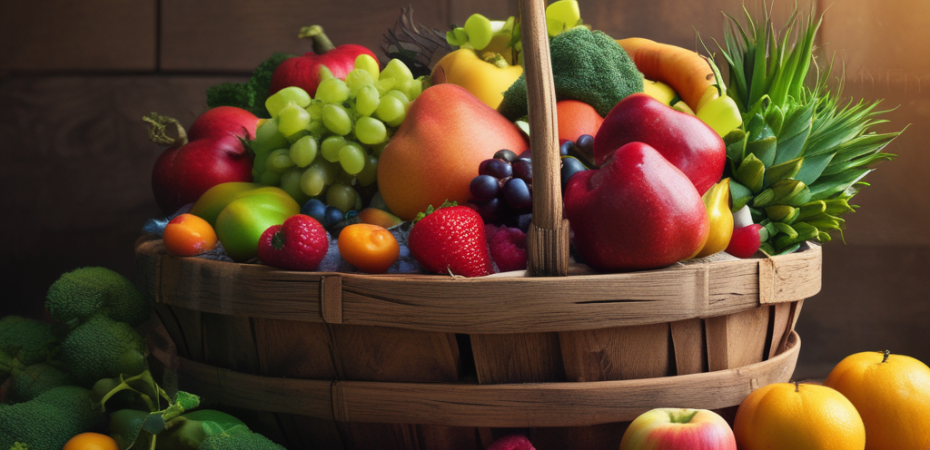
Eating seasonally is not just a trend but a return to a natural, more balanced way of consuming food. Holistic eating methods often include recommendations for eating food that is in season. It involves enjoying fruits and vegetables that are harvested at their peak ripeness, and eaten shortly there after, offering a multitude of benefits for your health, wallet, and the environment.
Benefits of Eating Seasonally:
Eating foods that are in season offers several health benefits:
- Nutrient Density: Seasonal produce is often harvested at its peak ripeness, which means it contains higher levels of essential nutrients like vitamins, minerals, and antioxidants. This can enhance the nutritional quality of your meals.
- Freshness: In-season fruits and vegetables are typically fresher because they don’t have to travel long distances or be stored for extended periods. Fresher produce often tastes better and has a superior texture.
- Cost-Effective: Seasonal foods are usually more abundant, which can lead to lower prices. This can make healthy eating more affordable, as well as support local farmers and reduce the environmental impact of long-distance transportation.
- Variety: Embracing seasonal eating encourages a diverse diet. Eating a wide range of foods can provide a broader spectrum of nutrients and reduce the risk of dietary imbalances.
- Environmental Impact: Consuming seasonal, locally sourced foods often has a smaller carbon footprint, as they require less transportation and refrigeration. This can contribute to a more sustainable and eco-friendly diet.
- Taste and Enjoyment: Seasonal foods tend to taste better because they’re at their peak flavor. This can make your meals more enjoyable and satisfying, potentially reducing the need for added sugars, salts, or unhealthy flavor enhancers.
- Connection to Nature: Eating with the seasons helps reconnect people to the natural rhythms of the Earth. It can promote a greater appreciation for the changing seasons and the importance of sustainable agriculture.
Additional Advantages:
- Economical Choices:
- Seasonal produce is often more abundant and, therefore, less expensive.
- Better deals can be found at local markets.
- Ecological Benefits:
- Fresher produce means fewer resources are used for preservation and transport.
- Seasonal eating contributes to a smaller ecological footprint.
By aligning our diets with the seasons, we can enhance the flavor and nutritional value of our meals, support local farmers, and reduce our carbon footprint. Eating seasonally is a win-win for both your health and your wallet.
In Chinese medicine, the concept of Seasonal Eating incorporates the 5 tastes—sweet, sour, bitter, salty, and pungent. Incorporating seasonal foods in harmony with the Chinese 5 Tastes is fundamental to achieving and maintaining balance in the body. Each taste is associated with specific elements, organs, and therapeutic effects, playing a crucial role in overall health and well-being. By understanding these tastes and their seasonal relevance, we can create a harmonious diet that supports our body’s needs throughout the year.
Chinese Medicine Seasonal Eating Recommendations:
- Spring:
- Focus on sour and pungent tastes.
- Supports the liver and gallbladder.
- Examples: Lemons, leafy greens, radishes.
- Summer:
- Emphasize bitter and pungent tastes.
- Helps the heart and small intestine.
- Examples: Bitter melon, chili peppers, mint.
- Harvest: (August – September)
- Incorporate sweet tastes.
- Benefits the spleen and stomach.
- Examples: Corn, squash, sweet potatoes.
- Autumn:
- Prioritize pungent and sour tastes.
- Aids the lungs and large intestine.
- Examples: Ginger, garlic, apples.
- Winter:
- Focus on salty and sweet tastes.
- Supports the kidneys and bladder.
- Examples: Seaweed, miso, root vegetables.
TCM: Maintaining Balance with Tastes and Seasonal Eating:
- Balanced Diet:
- Incorporating all 5 tastes ensures a well-rounded diet.
- Each taste contributes unique therapeutic effects.
- Seasonal Adaptation:
- Eating according to the seasons aligns with the body’s natural rhythms.
- Seasonal foods are fresher, more nutritious, and often more affordable.
- The 5 tastes help balance the body’s internal systems.
- Seasonal eating promotes harmony between the body and the environment.
By integrating the 5 tastes into our diet and aligning our food choices with the seasons, we can support our body’s natural functions and maintain overall health and balance.
It’s worth noting that while seasonal eating has many advantages, it may not be practical for all types of foods, especially in regions with extreme climates. In such cases, preservation techniques like canning, freezing, or drying can help extend the availability of seasonal produce. Overall, aligning your diet with the seasons can be a simple and effective way to enhance your health and well-being.
Discover more from Living The Lunar Calendar with Beth
Subscribe to get the latest posts sent to your email.
 Living The Lunar Calendar with Beth