
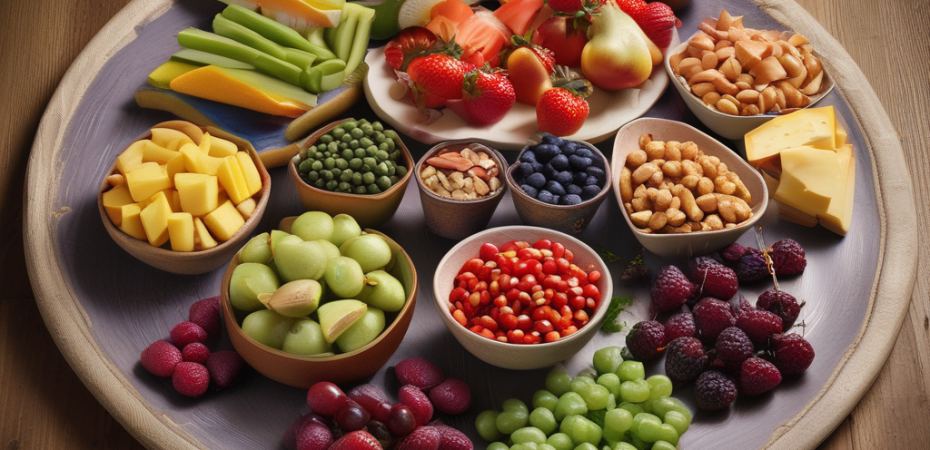
Everyone hears about the importance of fiber, but it’s still an issue getting enough in the Standard American Diet (SAD). Holistic medicine recommends adding more food based fiber in the diet, instead of just relying on OTC medication or fiber supplements.
Here’s a sample of a one day menu of high fiber foods. This is for a lower carb, whole food dietary approach.
Sample One Day High-Fiber Menu*
Breakfast:
- Smoothie:
- 1/2 cup mixed berries: 35 calories, 9g carbs, 0.5g protein, 0.25g fat, 3.5g fiber
- 1/2 medium banana: 52.5 calories, 13.5g carbs, 0.5g protein, 0.25g fat, 1.5g fiber
- 1 cup unsweetened almond milk: 30 calories, 1g carbs, 1g protein, 2.5g fat, 0.5g fiber
- 1 tbsp chia seeds: 58 calories, 5g carbs, 2g protein, 4g fat, 5g fiber
- 1 scoop vanilla protein powder (plant-based): 120 calories, 3g carbs, 20g protein, 2g fat, 1g fiber
- 3 tbsp peanut butter: 282 calories, 12g carbs, 12g protein, 24g fat, 3g fiber
Total for Breakfast:
- Calories: 577.5
- Carbs: 42.5g
- Protein: 34g
- Fat: 33g
- Fiber: 14.5g
Lunch:
- Quinoa Salad:
- 1/2 cup cooked quinoa: 111 calories, 19.5g carbs, 4g protein, 1.75g fat, 2.5g fiber
- 1/4 cup chickpeas: 67.5 calories, 11g carbs, 3.5g protein, 1g fat, 3g fiber
- 1/4 cup chopped cucumber: 4 calories, 1g carbs, 0.25g protein, 0g fat, 0.25g fiber
- 1/4 cup cherry tomatoes: 7.5 calories, 1.5g carbs, 0.5g protein, 0g fat, 0.5g fiber
- 2 tbsp red onion, diced: 8 calories, 2g carbs, 0.25g protein, 0g fat, 0.25g fiber
- 1/2 tbsp olive oil: 59.5 calories, 0g carbs, 0g protein, 7g fat, 0g fiber
- Juice of 1/2 lemon: 6 calories, 2g carbs, 0.25g protein, 0g fat, 0.5g fiber
Total for Lunch:
- Calories: 263.5
- Carbs: 37.5g
- Protein: 8.75g
- Fat: 10.75g
- Fiber: 7g
Snack:
- 1 medium apple: 95 calories, 25g carbs, 0.5g protein, 0.5g fat, 4.5g fiber
- 1 oz macadamia nuts: 204 calories, 4g carbs, 2g protein, 21g fat, 3.5g fiber
Total for Snack:
- Calories: 299
- Carbs: 29g
- Protein: 2.5g
- Fat: 21.5g
- Fiber: 8g
Dinner:
- Grilled Chicken with Vegetables:
- 4 oz grilled chicken breast: 187 calories, 0g carbs, 35g protein, 4g fat, 0g fiber
- 1 cup steamed broccoli: 55 calories, 11g carbs, 4g protein, 0.5g fat, 5g fiber
- 1/2 cup roasted sweet potatoes: 90 calories, 21g carbs, 2g protein, 0g fat, 3g fiber
- 1/2 cup sautéed spinach with garlic: 30 calories, 3g carbs, 1g protein, 2g fat, 2g fiber
- 1/2 tbsp olive oil (for cooking): 59.5 calories, 0g carbs, 0g protein, 7g fat, 0g fiber
Total for Dinner:
- Calories: 421.5
- Carbs: 35g
- Protein: 42g
- Fat: 13.5g
- Fiber: 10g
Snack:
- Greek Yogurt with Flax Seeds:
- 1 cup plain Greek yogurt: 100 calories, 5g carbs, 20g protein, 0g fat, 0g fiber
- 1 tbsp ground flax seeds: 37 calories, 2g carbs, 1.3g protein, 3g fat, 1.9g fiber
- 1/2 cup fresh blueberries: 42 calories, 11g carbs, 0.5g protein, 0.2g fat, 2g fiber
Total for Snack:
- Calories: 179
- Carbs: 18g
- Protein: 22g
- Fat: 3g
- Fiber: 4g
Final Nutritional Breakdown:
- Calories: 1740.5
- Carbs: 138g – 43g of fiber = 95g of carbs
- Protein: 111g
- Fat: 82.5g
- Fiber: 43g
You will note that the total fiber intake in grams, is subtracted from the total carbs.
Explanation of Subtracting Fiber from Total Carbs
When looking at the nutritional content of foods, particularly for those tracking net carbs, it’s important to understand the role of fiber. Fiber is a type of carbohydrate that the body doesn’t digest. Since it doesn’t raise blood sugar levels, many people subtract fiber from the total carbohydrates to calculate the “net carbs.” This is especially useful for people following low-carb diets like keto.
Example
Let’s say you have a food item with the following nutritional information:
- Total Carbohydrates: 20 grams
- Dietary Fiber: 8 grams
Using the formula, you would calculate the net carbs as follows:
Net Carbs = 20g (Total Carbohydrates) − 8g (Dietary Fiber)= 12g Total Carbs
So, the food item actually only has 12 grams of net carbs. This means that out of the total 20 grams of carbohydrates, only 12 grams will have an effect on your blood sugar levels. If you’re planning your meals and monitoring your carbohydrate intake, always look at both total carbohydrates and fiber content on the nutrition label. By subtracting the fiber from the total carbs, you’ll have a more accurate understanding of how much digestible carbohydrate you’re consuming, which can help you manage your diet more effectively.
Conclusion:
Adding more fiber based foods into your diet can help you reduce your overall carb load and help keep your digestive system circulating healthily. This improves the gut and brain health while keeping the lymph (water system) cleaner.
*AI Assist, but not much help, lol.
Discover more from Living The Lunar Calendar with Beth
Subscribe to get the latest posts sent to your email.
 Living The Lunar Calendar with Beth