
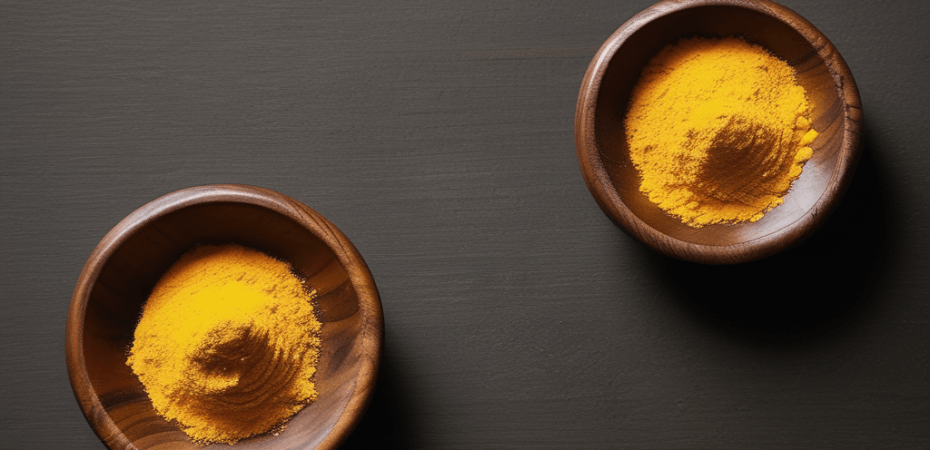
Turmeric is commonly used as a spice in cooking and has been used in traditional medicine for its anti-inflammatory properties. It’s become increasing popular as the go to Anti-Inflammatory supplement. The active compound in turmeric is curcumin, which is considered the primary source of its health benefits. However, as a type of phenol, less is better than more sometimes.
Phenols are organic substances that when consumed as part of a balanced diet, generally offer significant health benefits, largely due to their antioxidant properties. However, the intake of these compounds should be moderated, especially when coming from concentrated extracts or supplements. Eating phenols from whole food sources usually ensure that the benefits of phenolic compounds can be enjoyed without the risk of toxicity.
When considering the safe daily amount of turmeric, especially when taken as a supplement, the curcumin content is key. Here’s information about the safe daily dosages if you have inflammatory issues, or are on certain types of medications. Here’s a blog link to information about how Turmeric and other Phenols can interfere with your medication. Take note.
Safe Daily Amount of Turmeric:
- As a Dietary Spice: Using turmeric as a culinary spice is generally considered safe, and there is no specific limit to its use in cooking. Typically, culinary amounts range from about 500 mg to 2,000 mg of turmeric powder per day, which contains about 3% to 5% curcumin by weight.
- As a Supplement: When it comes to supplements, the recommended daily intake of curcumin from turmeric varies based on the intended use and existing health conditions:
- General Health: For general health or as an anti-inflammatory, the typical recommended intake of curcumin is between 200 mg to 1,000 mg per day.
- Medical Use: For more specific health conditions, such as arthritis, studies have used doses from 500 mg to 2,000 mg of curcumin per day. It is essential to note that these higher doses should only be used under medical supervision to monitor for potential side effects. See below.
Considerations and Precautions:
- Absorption: Curcumin is poorly absorbed on its own. It is often recommended to take it with black pepper, which contains piperine, a natural substance that enhances the absorption of curcumin by up to 2,000%.
- Side Effects: High doses of curcumin can cause digestive issues, such as acid reflux, diarrhea, or stomach upset in some individuals. It can also interact with medications, including blood thinners and drugs that reduce stomach acid.
- Chronic Use: While turmeric is safe in food and moderate supplemental doses, very high doses or long-term use of supplements should be approached cautiously and under the guidance of a healthcare provider.
If considering turmeric supplements, especially at doses towards the higher end of the recommended range, it’s a good idea to discuss this with a healthcare provider to ensure it’s appropriate for your health needs and doesn’t interfere with other medications you may be taking.
Discover more from Living The Lunar Calendar with Beth
Subscribe to get the latest posts sent to your email.
 Living The Lunar Calendar with Beth
great post – thanks !!
Download 50 Amazing Keto Recipes –> https://ketodietrecipes.co.uk/
LikeLike