
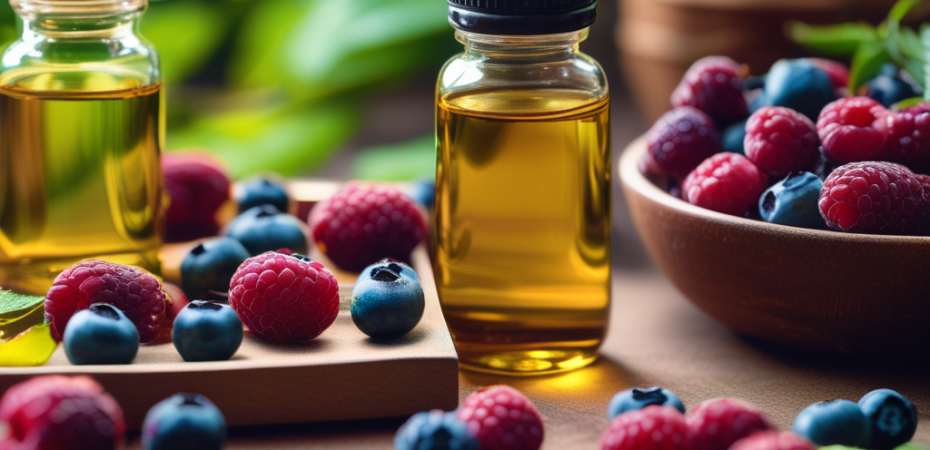
Phenols, or phenolic compounds, AKA as polyphenols, are widespread in the plant kingdom and are also found in some animal sources. These compounds often function as antioxidants, providing significant health benefits when consumed as part of a whole food diet.
Many artificial phenols are used in foods and supplements due to their acidic, preservative nature. They also, however, have an irritating effect on skin and on body tissues due to the protective nature of the seeds, skin of the fruit, or the plant leaves of the natural sources of phenols. Here’s an overview of phenols and the potential health effects, positive and negative:
Natural Plant Sources of Phenols
- Fruits: Apples, cherries, grapes, olives, and berries (such as raspberries, blueberries, and blackberries) are rich in phenolic compounds called Polyphenols.
- Vegetables: Broccoli, onions, and red cabbage contain notable amounts of phenols.
- Nuts and Seeds: Particularly almonds and walnuts.
- Whole Grains: Such as oats, rye, and whole wheat.
- Spices and Herbs: Cloves, sage, thyme, and oregano are extremely rich in phenolic compounds.
- Beverages: Tea, coffee, and red wine are well-known for their high phenolic content.
Animal Sources of Phenols
- Animal sources are not typically significant for phenolic compounds; however, certain types of algae and shellfish may accumulate phenolic substances from their diets.
Health Benefits of Phenols from Natural Sources
Phenolic compounds are highly regarded for their antioxidant properties, which can help prevent cellular damage due to oxidative stress, contributing to reduced risk of chronic diseases such as:
- Heart Disease: Phenols can improve heart health by reducing inflammation and improving vascular function.
- Cancer: Some studies suggest that phenolic compounds might help reduce the risk of various cancers through their antioxidant and anti-inflammatory effects.
- Type 2 Diabetes: Phenols can influence glucose metabolism and insulin sensitivity.
- Neurodegenerative Diseases: Antioxidant properties may help protect against diseases like Alzheimer’s and Parkinson’s.
The alkaloid content of phenols and polyphenols can, if taken in excess, cause problems. The acidic foods provide benefit in moderate amounts you would normally get in food. However, if you supplement or eat too much of them for too long, side effects can come up. This is called hormesis.
Immunomodulation and Toxicity: A Balancing Act
The idea that natural phenols could act similarly to a vaccine, providing benefits in small doses while being harmful in large amounts, relates to the concept of hormesis. Hormesis is a biological phenomenon where a beneficial effect results from exposure to low doses of an agent that is otherwise toxic when given at higher doses. In the context of phenols:
- Low Doses: Regular consumption of phenols in amounts typically found in food can boost antioxidant defenses and other cellular stress responses, potentially leading to enhanced health and longevity.
- High Doses: Excessive intake, especially from supplements or concentrated extracts, could lead to toxicity and may interfere with metabolic processes, potentially causing liver damage, hormonal imbalances, or other health issues. Animal studies show that high-dose polyphenol supplements may cause kidney damage, tumors, and an imbalance in thyroid hormone levels. In humans, they may result in an increased risk of stroke and premature death.*
It’s important to monitor extra supplementation of phenols so you don’t accidentally take too much for too long, causing an imbalance in the other direction. Additionally, there are many artificially created, synthetic phenols that are added to our food and personal home care products and cleansers that can have an adverse effect as well.
Impact of Synthetic Phenols
- Artificial Production: Phenols produced in laboratories or added to processed foods might not always have the same beneficial effects as those derived from natural sources. The difference in health impacts can arise from variations in the chemical structure, presence of accompanying compounds that influence bioactivity, and the overall matrix of the food.
- Synthetic phenols like BHT and BHA not only cause endocrine disruption and oxidative damage to internal organs, BHA is known to cause cancer in rats and is “reasonably anticipated to be a human carcinogen.” Both BHA and BHT have been linked to impaired blood clotting and promoted tumor growth.* They are both banned in other democratic countries. They are NOT banned in America. Of course. Check your labels. Natural Phenols are safer.
Conclusion
Natural sources of phenols, when consumed as part of a balanced diet, generally offer significant health benefits, largely due to their antioxidant properties. However, the supplemented intake of these compounds should be moderated, especially when coming from concentrated extracts on a daily basis. You just don’t need massive supplemented amounts phenols everyday. The balance and variety typical of getting what you need from whole foods usually ensure that the antioxidant benefits of natural phenolic compounds can be enjoyed without the risk of toxicity. As always, we recommend taking them on the recommended days of the Lunar Calendar and not just everyday.
*www.madesafe.org, http://www.healthline.com
Discover more from Living The Lunar Calendar with Beth
Subscribe to get the latest posts sent to your email.
 Living The Lunar Calendar with Beth