
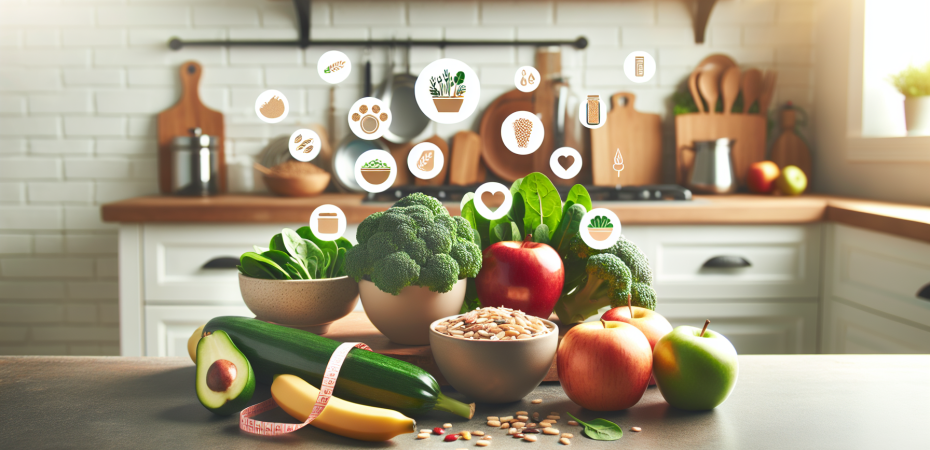
Eating light density foods can be a positive approach to maintaining a healthy lifestyle. These are foods that are low in calories but high in volume and nutrients. These foods help you feel full and satisfied without consuming excess calories. They are ideal for weight management and overall wellness.
Some days on the Lunar Calendar recommend Light Density Foods. An example is the 18th day, the only Vegan Day on the calendar. This seems about right considering since only 1-3% of the population is Vegan. They get highlighted for a day, lol. I know, I give Vegans a hard time. Let’s blame my ornery vegan cousin. LOL. Y’all still reading? Mention my cousin for a 10% discount. LOL.
What Are Light Density Foods?
Light density foods are those that provide fewer calories per gram compared to high-density foods. They are often rich in water, fiber, and essential nutrients. These components contribute to their volume and satiety effect. This all occurs without a high caloric load.
Benefits of Light Density Foods
1. Weight Management:
- Satiety: Foods with low calorie density help you feel full on fewer calories. This makes it easier to maintain a healthy weight.
- Nutrient Density: These foods are often packed with vitamins, minerals, and antioxidants, providing essential nutrients without excess calories.
2. Digestive Health:
- High Fiber Content: Many light density foods are rich in fiber, promoting healthy digestion and preventing constipation.
3. Chronic Disease Prevention:
- Heart Health: Light density foods are often low in unhealthy fats. They are high in beneficial nutrients like antioxidants. These nutrients support cardiovascular health.
- Blood Sugar Control: These foods can help regulate blood sugar levels, reducing the risk of type 2 diabetes.
Conditions Caused by Eating High-Density Foods
Consuming foods that are high in calorie density—often processed and rich in sugars and unhealthy fats—can lead to several health issues:
- Obesity: High calorie intake from dense foods can contribute to weight gain and obesity.
- Heart Disease: Diets high in unhealthy fats and sugars are linked to increased risk of cardiovascular diseases.
- Diabetes: Excessive intake of high-sugar foods can lead to insulin resistance and type 2 diabetes.
- Digestive Issues: Low fiber content in many high-density foods can cause digestive problems like constipation.
Conditions Helped by Eating Light Density Foods
Incorporating light density foods into your diet can help manage and prevent several conditions:
- Weight Loss: By consuming fewer calories, you can effectively manage your weight.
- Heart Disease: High fiber and nutrient intake from light density foods can support heart health.
- Diabetes Management: Lowering sugar intake and eating more fiber-rich foods can help regulate blood sugar levels.
- Digestive Health: Improved fiber intake aids in digestion and regularity.
Top 20 Light Density Veggie Foods with Macros
- Spinach (1 cup, raw): (Always cook to remove Oxalates. Moderate use.)
- Calories: 7
- Carbs: 1g
- Protein: 0.9g
- Fat: 0.1g
- Fiber: 0.7g
- Kale (1 cup, raw):
- Calories: 33
- Carbs: 7g
- Protein: 2.9g
- Fat: 0.6g
- Fiber: 1.3g
- Lettuce (1 cup, shredded):
- Calories: 5
- Carbs: 1g
- Protein: 0.5g
- Fat: 0.1g
- Fiber: 0.5g
- Cucumber (1 cup, sliced):
- Calories: 16
- Carbs: 4g
- Protein: 0.8g
- Fat: 0.1g
- Fiber: 0.5g
- Tomatoes (1 medium):
- Calories: 22
- Carbs: 4.8g
- Protein: 1.1g
- Fat: 0.2g
- Fiber: 1.5g
- Bell Peppers (1 cup, sliced): Watch for nightshade sensitivity.
- Calories: 24
- Carbs: 6g
- Protein: 1g
- Fat: 0.2g
- Fiber: 1.7g
- Zucchini (1 cup, sliced): Watch for GMO – Choose Organic
- Calories: 19
- Carbs: 4g
- Protein: 1.5g
- Fat: 0.4g
- Fiber: 1.2g
- Broccoli (1 cup, raw):
- Calories: 31
- Carbs: 6g
- Protein: 2.6g
- Fat: 0.3g
- Fiber: 2.4g
- Cauliflower (1 cup, raw):
- Calories: 25
- Carbs: 5g
- Protein: 2g
- Fat: 0.3g
- Fiber: 2g
- Carrots (1 cup, chopped):
- Calories: 52
- Carbs: 12g
- Protein: 1.2g
- Fat: 0.3g
- Fiber: 3.6g
- Apples (1 medium):
- Calories: 95
- Carbs: 25g
- Protein: 0.5g
- Fat: 0.3g
- Fiber: 4.4g
- Oranges (1 medium):
- Calories: 62
- Carbs: 15g
- Protein: 1.2g
- Fat: 0.2g
- Fiber: 3g
- Strawberries (1 cup, halves):
- Calories: 49
- Carbs: 12g
- Protein: 1g
- Fat: 0.5g
- Fiber: 3g
- Blueberries (1 cup):
- Calories: 84
- Carbs: 21g
- Protein: 1.1g
- Fat: 0.5g
- Fiber: 3.6g
- Watermelon (1 cup, diced):
- Calories: 46
- Carbs: 12g
- Protein: 0.9g
- Fat: 0.2g
- Fiber: 0.6g
- Peaches (1 medium):
- Calories: 58
- Carbs: 14g
- Protein: 1.4g
- Fat: 0.4g
- Fiber: 2.3g
- Grapefruit (1/2 medium):
- Calories: 37
- Carbs: 9g
- Protein: 0.7g
- Fat: 0.1g
- Fiber: 1.4g
- Celery (1 cup, chopped):
- Calories: 16
- Carbs: 3g
- Protein: 0.7g
- Fat: 0.2g
- Fiber: 1.6g
- Spinach (1 cup, cooked):
- Calories: 41
- Carbs: 7g
- Protein: 5g
- Fat: 0.5g
- Fiber: 4.3g
- Mushrooms (1 cup, sliced):
- Calories: 15
- Carbs: 2.3g
- Protein: 2.2g
- Fat: 0.2g
- Fiber: 0.7g
You can see why vegetarian is often recommended, to help with the medical conditions listed above. Veggies and fruits are nutrient dense, but not calorie dense. There are quite a few vegetarian and vegan days on the Lunar Calendar. Juicing and veggie broths offer light density nourishment to the body, mind, and soul. Use them on days when we need a nutrient boost without overeating.
List of Other Light Density Foods
Here is a list of 30 other light density foods and snacks that are low in calories but nutrient-dense.
Protein Packed Light Density Foods
Protein-Rich Foods
- Greek Yogurt (Plain, Unsweetened)
- Portion: 1 cup (245g)
- Calories: ~100
- Protein: 15g
- Carbs: 5g
- Fat: 0g
- Fiber: 0g
- Cottage Cheese (Low-fat)
- Portion: 1/2 cup (113g)
- Calories: ~100
- Protein: 14g
- Carbs: 3g
- Fat: 1g
- Fiber: 0g
- Egg Whites
- Portion: 4 large eggs (136g)
- Calories: ~70
- Protein: 13g
- Carbs: 1g
- Fat: 0g
- Fiber: 0g
- Chicken Breast (Grilled or Boiled)
- Portion: 3 oz (85g)
- Calories: ~130
- Protein: 25g
- Carbs: 0g
- Fat: 1g
- Fiber: 0g
- Turkey Breast (Grilled or Boiled)
- Portion: 3 oz (85g)
- Calories: ~135
- Protein: 26g
- Carbs: 0g
- Fat: 1g
- Fiber: 0g
Seafood
- Shrimp (Steamed or Boiled)
- Portion: 3 oz (85g)
- Calories: ~85
- Protein: 20g
- Carbs: 1g
- Fat: 0g
- Fiber: 0g
- Fish (Whitefish like cod or haddock, steamed or grilled)
- Portion: 3 oz (85g)
- Calories: ~100
- Protein: 22g
- Carbs: 0g
- Fat: 1g
- Fiber: 0g
- Salmon (Steamed or Grilled)
- Portion: 3 oz (85g)
- Calories: ~150
- Protein: 23g
- Carbs: 0g
- Fat: 7g
- Fiber: 0g
- Tuna (Water-packed)
- Portion: 3 oz (85g)
- Calories: ~90
- Protein: 20g
- Carbs: 0g
- Fat: 1g
- Fiber: 0g
Plant-Based Snacks
- Almonds (Raw)
- Portion: 1 oz (28g, ~23 almonds)
- Calories: ~160
- Protein: 6g
- Carbs: 6g
- Fat: 14g
- Fiber: 3g
- Walnuts (Raw)
- Portion: 1 oz (28g, ~14 halves)
- Calories: ~190
- Protein: 4g
- Carbs: 4g
- Fat: 18g
- Fiber: 2g
- Pistachios (Raw)
- Portion: 1 oz (28g, ~49 pistachios)
- Calories: ~160
- Protein: 6g
- Carbs: 8g
- Fat: 13g
- Fiber: 3g
- Cashews (Raw)
- Portion: 1 oz (28g, ~18 cashews)
- Calories: ~150
- Protein: 5g
- Carbs: 9g
- Fat: 12g
- Fiber: 1g
Fiber-Rich Superfoods
- Chia Seeds
- Portion: 1 oz (28g, ~2 tbsp)
- Calories: ~120
- Protein: 5g
- Carbs: 12g
- Fat: 9g
- Fiber: 10g
- Flaxseeds
- Portion: 1 oz (28g, ~2 tbsp)
- Calories: ~120
- Protein: 6g
- Carbs: 8g
- Fat: 12g
- Fiber: 8g
Grains and Legumes
- Quinoa (Cooked)
- Portion: 1 cup (185g)
- Calories: ~120
- Protein: 8g
- Carbs: 39g
- Fat: 4g
- Fiber: 5g
- Brown Rice (Cooked)
- Portion: 1 cup (195g)
- Calories: ~110
- Protein: 6g
- Carbs: 45g
- Fat: 1g
- Fiber: 2g
- Lentils (Cooked)
- Portion: 1 cup (198g)
- Calories: ~120
- Protein: 9g
- Carbs: 20g
- Fat: 0g
- Fiber: 8g
Nutritional Benefits
These foods are excellent sources of protein, healthy fats, and essential nutrients. They can help with muscle maintenance, satiety, and overall nutritional balance without adding excessive calories.
Example of Nutritional Macros for a Few Items:
- Greek Yogurt (1 cup)
- Calories: 100
- Carbs: 6g
- Protein: 10g
- Fat: 0.7g
- Fiber: 0g
- Chicken Breast (3 oz, cooked)
- Calories: 140
- Carbs: 0g
- Protein: 26g
- Fat: 3g
- Fiber: 0g
- Almonds (1 oz)
- Calories: 164
- Carbs: 6g
- Protein: 6g
- Fat: 14g
- Fiber: 3.5g
- Quinoa (1 cup, cooked)
- Calories: 222
- Carbs: 39g
- Protein: 8g
- Fat: 4g
- Fiber: 5g
These light density foods can be easily incorporated into meals and snacks. They help you maintain a healthy, balanced diet. They also keep your calorie intake low.
What About Popcorn?
Popcorn is a fantastic light density food that can be both delicious and nutritious when prepared correctly. Here are some details about popcorn as a light density food:
Nutritional Benefits of Popcorn
Popcorn is a low-calorie snack when air-popped and eaten without excessive butter, oil, or sugar. It is high in fiber and contains important nutrients. It is whole grain and can fit well into a clean eating regimen.
Nutritional Macros for Popcorn (Air-Popped, 3 Cups)
- Calories: 90
- Carbs: 19g
- Protein: 3g
- Fat: 1g
- Fiber: 3.5g
Benefits of Popcorn
- Low in Calories: A large serving size for relatively few calories makes it an excellent snack for weight management.
- High in Fiber: Popcorn is a good source of dietary fiber, which aids digestion and helps maintain regular bowel movements.
- Whole Grain: Being a whole grain, popcorn provides various nutrients including vitamins, minerals, and polyphenol antioxidants.
These foods are low in calories but nutrient-dense, making them excellent choices for a healthy, balanced diet. Enjoy incorporating these options into your meals and snacks for a nutritious and satisfying eating plan.
Nutritional Benefits
These foods are low in calories but high in nutrients, making them excellent choices for maintaining a balanced and healthy diet. They are rich in protein, healthy fats, and essential nutrients, helping to keep you full and satisfied without excessive caloric intake.
Example of Nutritional Macros for a Few Items:
- Rice Cakes (1 plain)
- Calories: 35
- Carbs: 7g
- Protein: 1g
- Fat: 0g
- Fiber: 0g
- Seaweed Snacks (1 package, 5g)
- Calories: 25
- Carbs: 1g
- Protein: 1g
- Fat: 2g
- Fiber: 1g
- Protein Shake (Made with 1 scoop clean protein powder and 1 cup unsweetened almond milk)
- Calories: 150
- Carbs: 5g
- Protein: 25g
- Fat: 3g
- Fiber: 2g
These additional options provide even more variety for your light density food choices, ensuring you can enjoy a range of tasty and nutritious snacks throughout the day.
Here is a blog with a Sample One Day Light Density Menu for Days 11. It also includes Day 26 of the Lunar Calendar. Light Density Eating is recommended on these days.
*AI assist
Discover more from Living The Lunar Calendar with Beth
Subscribe to get the latest posts sent to your email.
 Living The Lunar Calendar with Beth