
Introduction
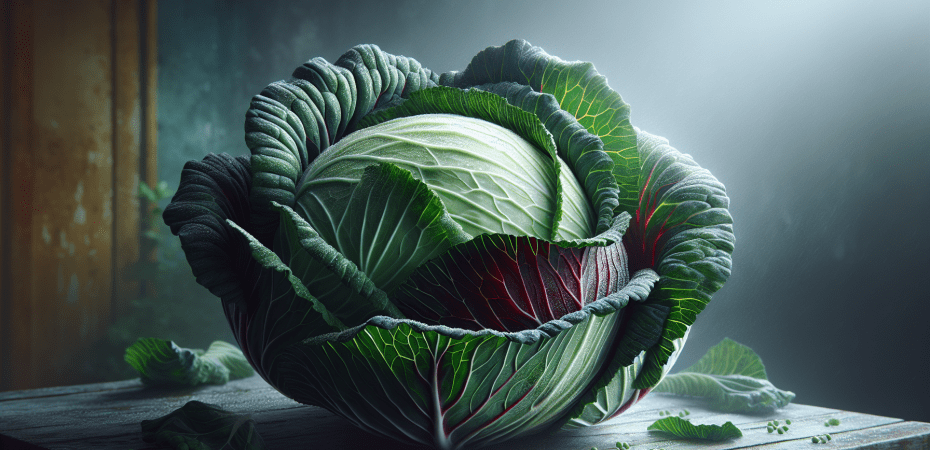
Cabbage, a leafy green, red, or white biennial plant, thrives in cool climates. It’s part of the Brassica family, along with broccoli, cauliflower, and kale. Known for its dense-leaved heads, cabbage is not only versatile in the kitchen but also packed with nutrients. Let’s learn more about cabbage!
Health Benefits of Cabbage
- Rich in Nutrients: Cabbage is low in calories but high in fiber and vitamins like C and K.
- Anti-Inflammatory Properties: It contains powerful antioxidants that help reduce inflammation.
- Improves Digestion: The high fiber content aids in digestion by helping maintain a healthy gut environments for regularity.
- Reduces Cholesterol: Eating cabbage can help lower cholesterol levels due to its binding effect on bile acids.
- Cancer Prevention: Components like sulforaphane in cabbage are noted for their potential to protect against cancer.
Nutritional Macro for One Cup of Raw Cabbage:
- Calories: 34
- Protein: 2g
- Fat: 0.2 grams
- Carbohydrates: 8 grams
- Fiber: 4 grams
- Vitamin C: 108% of the RDI
- Vitamin K: 170% of the RDI
The Cabbage Diet
The cabbage diet, also known as the Cabbage Soup Diet, is a short-term weight loss diet involving heavy consumption of cabbage soup for a week. While it may lead to significant weight loss, primarily due to its low-calorie intake, this diet is not sustainable long term, and the weight lost is often quickly regained. Even though it was popular for years, I do not recommend it for long periods of time. But there are days on the Lunar Calendar that suggest veggie broth. The Cabbage Soup would be great on those days.
Ways to Prepare Cabbage
- Raw: In salads or coleslaws, raw cabbage adds a crunchy texture.
- Cooked: Boiled, steamed, sautéed, or stir-fried, cabbage is a wonderful addition to various dishes.
- Fermented: Sauerkraut and kimchi are popular fermented cabbage dishes that are not only tasty but also offer probiotics which are good for digestive health.
Recipes
- Simple Sauteed Cabbage
- Ingredients: 1 head of cabbage, 2 tablespoons olive oil, garlic, salt, and pepper.
- Directions: Slice the cabbage thinly. Heat olive oil over medium heat, add garlic until fragrant, then add cabbage. Cook until slightly tender. Season with salt and pepper.
- Homemade Sauerkraut
- Ingredients: 1 head of cabbage and 1 tablespoon of sea salt.
- Directions: Thinly slice the cabbage and toss it with salt in a large mixing bowl. Pack the cabbage into a jar, pressing down until covered by its natural juice. Seal and let it ferment at room temperature for at least 2 weeks.
Shopping List for Recipes
- Cabbage (2 heads)
- Olive oil
- Garlic
- Sea salt
- Pepper
Conclusion
Not only is cabbage a nutrient-dense vegetable with multiple health benefits, but it is also highly versatile and can be cooked in numerous and delicious ways. Whether one looks to improve their diet or just would like to explore more methods such as fermenting, cabbage is a great option to introduce variety and nutrition into one’s meal.
Discover more from Living The Lunar Calendar with Beth
Subscribe to get the latest posts sent to your email.
 Living The Lunar Calendar with Beth
Great Read Can i leave my thoughts ?! –
Looking To Tone Up? Lose Extra lb’s Just By Changing What You Eat?
Download Over 50 Keto Recipes , Unleash The Flavours – http://ketodietrecipes.co.uk/
LikeLike