
Dao Life Diet Influencers
The Japanese kitchen is renowned for its unique approach to food, combining simplicity with rich flavors, and prioritizing health and balance. This culinary tradition emphasizes fresh, seasonal ingredients, mindful preparation, and an aesthetic presentation, all of which contribute to its global appeal.
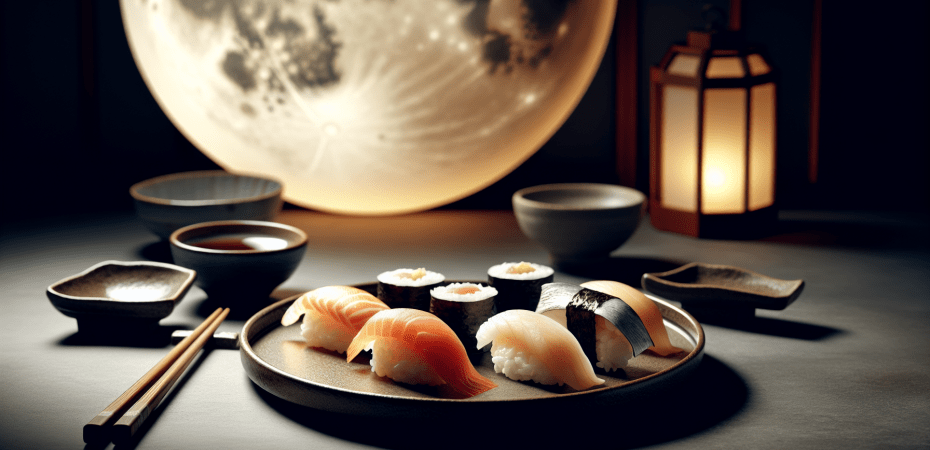
On traditional Lunar Calendars, certain diets are recommended. On the Full Moon, a diet close to the Japanese style of eating is recommended. In this blog, we’ll explore the essentials of the Japanese kitchen, including key foods, tools, condiments, and the health benefits of a Japanese diet. We’ll also provide a one-day sample menu inspired by the full moon day, Day 15 of the Dao Life Lunar Calendar.
Health Benefits of the Japanese Diet
The Japanese diet is often cited for its health benefits, contributing to the country’s high life expectancy and low obesity rates. Key benefits include:
- Heart Health
- The high consumption of fish and seafood provides essential omega-3 fatty acids, which are beneficial for heart health.
- Weight Management
- The diet emphasizes portion control and includes plenty of vegetables and whole foods, aiding in maintaining a healthy weight.
- Digestive Health
- Fermented foods like miso and pickled vegetables promote a healthy gut microbiome.
- Longevity
- The balanced intake of nutrients, low in red meat and high in fish, soy, and vegetables, is linked to increased longevity.
Key Foods in the Japanese Diet
- Rice (Gohan)
- The staple of the Japanese diet, rice is served at almost every meal. It’s often steamed and can be transformed into sushi, onigiri (rice balls), or fried rice.
- Fish and Seafood
- Rich in omega-3 fatty acids, fish and seafood are vital components of the Japanese diet. Popular choices include salmon, tuna, mackerel, and shrimp, often served raw (sashimi), grilled, or in soups.
- Vegetables
- Seasonal vegetables play a significant role, with common varieties including daikon radish, bamboo shoots, and seaweed. They are typically served pickled, in salads, or as part of soups and stews.
- Soy Products
- Tofu, miso, and edamame are integral to the Japanese diet, providing plant-based protein and other nutrients. Miso soup is a daily staple, and tofu can be found in a variety of dishes.
- Noodles
- Soba (buckwheat noodles), udon (thick wheat noodles), and ramen (wheat noodles) are popular and often served in broths with various toppings.
Essential Tools in the Japanese Kitchen
- Chef’s Knife (Hocho)
- A versatile tool for slicing, dicing, and chopping, Japanese knives are known for their sharpness and precision.
- Rice Cooker (Suihanki)
- Almost every Japanese household has a rice cooker, which ensures perfectly cooked rice every time.
- Bamboo Mat (Makisu)
- Used for rolling sushi, the bamboo mat helps create tightly packed rolls.
- Mortal and Pestle (Suribachi and Surikogi)
- Essential for grinding seeds, nuts, and spices to release their flavors.
- Chopsticks (Hashi)
- The primary utensil for eating, chopsticks are also used in cooking for tasks like stirring and serving.
Popular Condiments in Japanese Cuisine
- Soy Sauce (Shoyu)
- A staple condiment, soy sauce adds a salty, umami flavor to dishes.
- Miso
- Fermented soybean paste used in soups, marinades, and sauces.
- Mirin
- A sweet rice wine used in cooking to add depth and sweetness to sauces and glazes.
- Rice Vinegar
- Used in sushi rice and dressings, it provides a tangy flavor.
- Wasabi
- A pungent green paste served with sushi and sashimi for a spicy kick.
Sample Japanese-Inspired Menu for a Full Moon Day
Breakfast:
- Miso Soup: A warm bowl of miso soup with tofu, seaweed, and green onions.
- Tamago Sushi: Small portions of rice topped with a sweet, rolled omelette.
- Green Tea: A cup of antioxidant-rich green tea.
Mid-Morning Snack:
- Edamame: Steamed and lightly salted young soybeans.
Lunch:
- Sashimi Platter: An assortment of fresh raw fish, including salmon, tuna, and mackerel, served with soy sauce and wasabi.
- Seaweed Salad: A refreshing salad made with wakame seaweed, sesame seeds, and a light rice vinegar dressing.
Afternoon Snack:
- Onigiri: Rice balls filled with umeboshi (pickled plum) or salmon, wrapped in nori seaweed.
Dinner:
- Grilled Mackerel: Marinated in a mix of soy sauce and mirin, then grilled to perfection.
- Steamed Rice: A bowl of fluffy, steamed white rice.
- Seasonal Vegetable Tempura: Lightly battered and fried seasonal vegetables such as sweet potato, bell pepper, and zucchini.
- Pickled Vegetables: A small side of pickled daikon radish and cucumber.
Evening Tea:
- Matcha: A calming cup of matcha tea to end the day.
Conclusion
The Japanese kitchen offers a harmonious blend of flavors, textures, and health benefits. By embracing the principles of the Japanese diet, including the use of fresh, seasonal ingredients and mindful preparation, you can enjoy a nutritious and delicious culinary experience. Whether you’re making simple rice dishes, exploring the world of sushi, or savoring the umami-rich flavors of miso soup, the Japanese approach to food can enhance both your palate and your health.
*AI assist
Discover more from Living The Lunar Calendar with Beth
Subscribe to get the latest posts sent to your email.
 Living The Lunar Calendar with Beth