
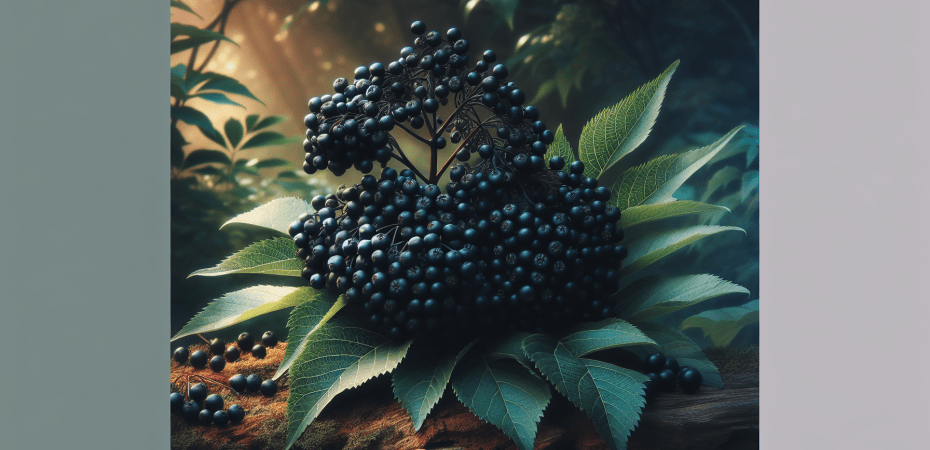
Elderberry, belonging to the genus Sambucus, has been treasured for centuries for its medicinal properties and culinary versatility. Known for its immune-boosting effects, elderberry is a popular natural remedy, especially during the cold and flu season. This blog discusses the medicinal uses of elderberry, conditions it helps, safe usage, and precautions. We’ll also provide guidance on identifying elderberry and its toxic look-alike, the Devil’s Walking Stick!
Introduction to Elderberry
Elderberry plants, particularly Sambucus nigra (black elderberry) and Sambucus canadensis (American elderberry), are deciduous shrubs or small trees that produce clusters of small, dark berries. These berries, along with the flowers, are commonly used in herbal medicine for their health benefits.
Medicinal Uses of Elderberry
Elderberries are packed with vitamins, antioxidants, and flavonoids, which contribute to their health-boosting properties. They are traditionally used to:
- Boost the Immune System: Elderberries enhance immune function, helping to fend off colds and flu.
- Reduce Inflammation: The anti-inflammatory properties of elderberry can help alleviate symptoms of various inflammatory conditions.
- Relieve Cold and Flu Symptoms: Elderberry is known to reduce the severity and duration of colds and flu due to its antiviral properties.
- Support Heart Health: Rich in antioxidants, elderberries can help reduce oxidative stress and support cardiovascular health.
Conditions Elderberry Helps
- Colds and Flu: Elderberry extracts and syrups are popular for reducing symptoms and speeding up recovery.
- Inflammatory Conditions: Conditions like arthritis and sinusitis can benefit from the anti-inflammatory effects of elderberry.
- Immune Support: Regular use of elderberry can strengthen the immune system, making it easier to ward off infections.
Common Ways to Take Elderberry
- Elderberry Syrup: Often taken daily as a preventative measure or in increased doses at the onset of symptoms.
- Elderberry Tea: Made from dried elderberries or flowers, providing a soothing way to enjoy its benefits.
- Elderberry Capsules: Convenient for those who prefer a standardized dose without the taste.
- Elderberry Gummies: A tasty alternative, especially for children.
Safe Daily Dose
- Elderberry Syrup: 1-2 teaspoons daily for adults, 1 teaspoon for children.
- Elderberry Capsules: Follow the manufacturer’s recommended dosage.
- Elderberry Tea: 1-2 cups daily.
Common Herb Combinations
- Echinacea: Often combined with elderberry for enhanced immune support.
- Ginger: Paired with elderberry in teas and syrups to aid digestion and reduce inflammation.
- Honey: Commonly used in elderberry syrup for added sweetness and antimicrobial properties.
Caution with Other Medications
Elderberry can interact with certain medications:
- Immunosuppressants: Elderberry can boost immune function, potentially interfering with immunosuppressive drugs.
- Diuretics: Elderberry has diuretic effects and may enhance the effects of diuretic medications.
Caution with Other Herbs
- St. John’s Wort: May interact with elderberry, potentially affecting its efficacy.
- Goldenseal: Both have immune-boosting properties, and using them together may amplify effects and increase the risk of side effects.
Toxic Look-Alike: Aralia Spinosa (Devil’s Walking Stick)
Devil’s Walking Stick, scientifically known as Aralia spinosa, is a fascinating plant native to the southeastern United States. This deciduous shrub or small tree is notorious for its formidable spines that cover its stems and leaves, giving it its ominous name. Although it features large, compound leaves and clusters of small white flowers that develop into purple-black berries, it’s important to recognize that this plant is not edible. In fact, the berries and other parts of Aralia spinosa contain compounds that can be toxic if ingested. Understanding the thorny characteristics of Devil’s Walking Stick is crucial, especially for those who forage or garden in areas where it grows, to avoid confusing it with beneficial plants like elderberry.
Identifying Safe Elderberry vs. Unsafe Devil’s Walking Stick
Devil’s Walking Stick Description:
- Leaves: Large, compound leaves with prickly stems.
- Berries: Purple-black berries that are TOXIC and not safe for consumption.
Elderberry (Safe) Characteristics:
- Leaves: Compound leaves with serrated edges. Smooth stem.
- Berries: Small, dark purple to black berries in clusters.
Conclusion
Elderberry is a potent natural remedy with numerous health benefits, especially for immune support and reducing cold and flu symptoms. However, proper identification and preparation are crucial to avoid toxicity. Always consult with a healthcare provider before starting any new supplement, especially if you are taking other medications or have underlying health conditions. Enjoy the benefits of elderberry safely and responsibly!
Discover more from Living The Lunar Calendar with Beth
Subscribe to get the latest posts sent to your email.
 Living The Lunar Calendar with Beth