
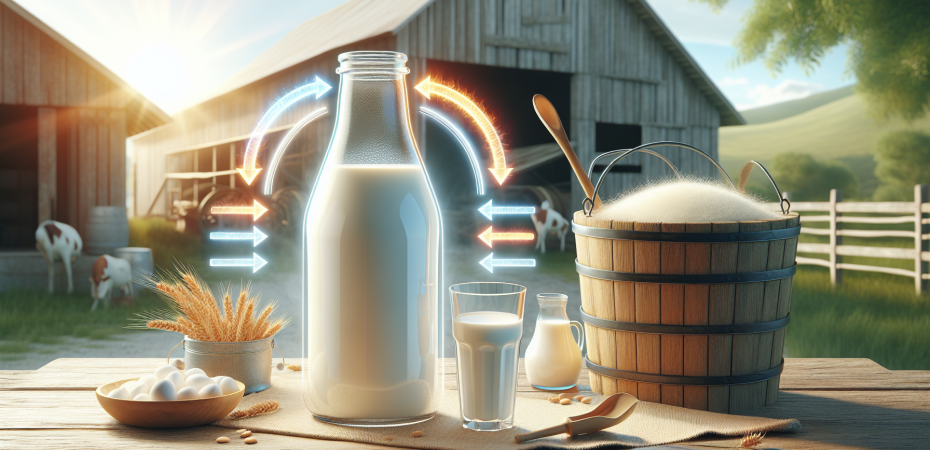
Milk is one of the most nutrient-rich, commonly consumed foods around the world. But how it’s processed—and what’s added to it—can drastically change its health impact. Many folk trying to improve their health are often told to reduce dairy by their holistic health practitioners. There are reasons why dairy has become questionable, especially if you have allergies, skin or gut issues.
Whether you’re experienced in holistic ways. or new to the idea, this guide can help you understand why reducing dairy in your diet may be necessary. It explains what you need to know about pasteurization, raw milk safety and dairy additives. We also discuss other milk options.
What Is Pasteurization?
Pasteurization is a heat-based process developed in the 1800s by scientist Louis Pasteur. It kills harmful bacteria in milk without drastically changing its taste or nutrition (though that part’s debatable). It’s widely used to prevent illness and extend shelf life.
Two Main Methods:
- HTST (High Temp, Short Time):
- Milk heated to 161°F (72°C) for 15 seconds
- Most common in the U.S.
- UHT (Ultra High Temp):
- Heated to 275°F (135°C) for a few seconds
- Shelf-stable milk found in Tetra Paks (no refrigeration needed)
U.S. vs. Europe: Who Drinks What?
United States
- Pasteurization is required for milk sold in stores
- Raw milk sales vary state by state
Europe
- Raw milk sales are legal and common in many countries
- You’ll find vending machines, farm stands, and small shops selling raw milk in places like France, Italy, and the Netherlands
Pasteurized vs. Raw Milk: Side-by-Side
| Feature | Pasteurized Milk | Raw Milk |
|---|---|---|
| Safety | Lower risk of bacteria | Higher risk if mishandled |
| Shelf Life | Longer | Shorter |
| Flavor | Slightly cooked taste | Rich, creamy, fresh |
| Enzymes & Probiotics | Mostly destroyed | Naturally present |
| Vulnerable Populations | Safe for all | Not recommended for pregnant, elderly, or immuno-compromised |
Health Considerations
Pasteurized Milk
- Safer for general public
- Still contains lactose, so not ideal for those intolerant
- Some report increased allergenic effects due to protein changes
Raw Milk
- May contain more enzymes (e.g., lactase) that support digestion
- Probiotics and nutrients may be more bioavailable
- Higher bacterial risk if mishandled
What About Additives?
Regardless of pasteurization, most store-bought dairy contains additives that impact your health. Some are benign. Others? Not so much.
❌ Common Problematic Additives:
- Titanium Dioxide
- Whitening agent, possibly carcinogenic
- Banned in the EU for food use
- Carrageenan
- Thickener linked to gut inflammation
- Found in some yogurts and creamers
- Artificial Sweeteners (e.g., Sucralose, Aspartame)
- Common in low-fat dairy products
- Disrupts gut microbiome, may worsen cravings
- Synthetic Vitamins (A, D2, D3)
- Added back after pasteurization
- Not all forms are bioavailable
- Artificial Colors or “Natural Flavors”
- Often unlabeled chemical blends
- May trigger reactions in sensitive individuals
✅ Tips to Avoid Unwanted Additives
- Buy plain, full-fat dairy — fewer ingredients, less processing
- Read ingredient labels: Milk, cream, cultures, salt — that’s it
- Choose local, organic, or farm-fresh options
- Avoid products labeled with:
- “Color added”
- “Stabilizer”
- “Thickener”
- “Whitening agent”
- “Natural flavor”
U.S. Raw Milk Laws: What You Can (and Can’t) Do
Raw milk legality varies a lot from state to state.
States That Allow Raw Milk Sales
- California
- Pennsylvania
- South Carolina
- Maine
- New York
You can often find raw milk:
- At farms
- Through cow-share programs
- At farmers’ markets
States That Prohibit It
- Florida
- Hawaii
- Indiana
- Louisiana
In these states, raw milk may be illegal even for on-farm sale unless labeled for animal use only.
Pro Tip: Check RealMilk.com (Weston A. Price Foundation) for your state’s laws and to locate safe, clean raw milk sources near you.
🔍 Summary: What Matters Most
| Decision Factor | Pasteurized Milk | Raw Milk |
|---|---|---|
| Convenience | Easily accessible everywhere | Farm or market only |
| Safety | Very low risk | Higher risk if source is unclean |
| Taste | Mild, slightly cooked | Rich, creamy, full flavor |
| Gut Health | Fewer enzymes/probiotics | May support digestion better |
| Regulations | Heavily regulated | State-by-state (or banned) |
Raw milk can be delicious and enzyme-rich, but must be sourced carefully.
- Regardless of your preference, additive-free is best. The fewer ingredients, the better.
- Choose dairy products that are organic, pasture-raised, and minimally processed for the greatest health benefits.
What About Goat’s Milk?
Goat’s milk is growing in popularity for good reason. It’s worth considering if you’re exploring alternatives to cow’s milk.
✅ Why Some People Prefer Goat’s Milk:
- Easier to Digest:
Naturally lower in lactose. It contains smaller fat globules and softer curds. Many people with dairy sensitivity find these easier on the gut. - Different Protein Structure:
Goat’s milk has less of the A1 casein protein. Some people react poorly to this protein in cow’s milk. Goat’s milk has more A2-like casein, which may be gentler for sensitive systems. - Rich in Nutrients:
High in calcium, vitamin A, potassium, and medium-chain fatty acids that support energy and metabolism.
⚠️ Watch Out for Additives in Goat’s Milk
While raw or minimally processed goat’s milk is typically clean and simple, many commercial goat milk products (especially shelf-stable or flavored ones) may contain:
- Carrageenan or gums for texture
- Synthetic vitamins (like folic acid, D2, or A)
- Preservatives in shelf-stable cartons
- Titanium dioxide in flavored goat milk yogurts or processed cheeses
Pro Tip: Always read the label — just like with cow’s milk. A good goat milk product should contain only goat milk (and maybe cultures or salt if it’s cheese or yogurt).
Plant-Based Milks: Not Always Healthy
Plant-based milks (like almond, oat, soy, and rice) are popular—but not always the healthiest choice. Here’s why:
⚠️ What’s the Problem?
- Additives: Many contain gums, emulsifiers, synthetic vitamins, and flavorings (e.g., carrageenan, sunflower lecithin, natural flavors).
- Low in Nutrients: Most are low in protein and fortified with synthetic calcium or B12.
- Blood Sugar Spikes: Oat and rice milk often cause high glycemic responses—not ideal for blood sugar.
- Seed Oil Contamination: Some contain canola, safflower, or other seed oils.
🧪 Examples:
- Oatly: High in sugar, often contains phosphates and industrial enzymes
- Silk Almond Milk: Added gums, synthetic vitamin D2, and “natural flavor”
- Rice Dream: Very high glycemic index, low protein, often sweetened
Best Choices: Homemade nut milks (no additives), or clean brands with just water + nuts/seeds + salt
Here are 3 clean plant-based milk brands with minimal ingredients and no hidden additives:
Elmhurst Unsweetened Almond Milk
- Ingredients: just water + almonds, no gums, oils, or preservatives
- Spotlighted by health sites as one of the cleanest nut milks bonappetit.com+15godairyfree.org+15amazon.com+15
- Richer and nuttier than many typical almond milks
Willa’s Unsweetened Original Oat Milk
- Only four organic ingredients (whole oat, water, vanilla, salt), no seed oils or gums
- Certified glyphosate‑free and low sugar (1 g per serving)
Organic Oat Milk Powder (Brand-neutral)
- Made with just organic oats + enzymes, no fillers, shelf‑stable instant format
- A great base for homemade clean oat milk; you control the sweetness! malkorganics.com+2godairyfree.org+2kikimilk.com+2

🌟 Quick Comparison
| Brand / Product | Ingredients | Why It’s Clean |
|---|---|---|
| Elmhurst Almond | Almonds, water | No gums/oils; simple and satisfying kikimilk.com |
| Willa’s Oat Milk | Oat, water, vanilla, salt | Certified organic, no additives, whisper-low sugar |
| Organic Oat Milk Powder | Oats, enzymes | Bulk clean oat base—no sweeteners or stabilizers |
Why It Matters
- Many mainstream plant milks are loaded with gums, stabilizers, emulsifiers, oils, and synthetic vitamins.
- These clean options focus on whole-food ingredients you can actually pronounce.
- Better for your digestion, immune system, and overall wellness.
FINAL THOUGHTS:
As with any food group or type, it’s important to check the labels. Reduce exposure to any additives that taint your food. Avoid production processes that reduce the healthfulness of your food.
Discover more from Living The Lunar Calendar with Beth
Subscribe to get the latest posts sent to your email.
 Living The Lunar Calendar with Beth
[…] Dairy: Maybe some grass-fed butter if tolerated. The diet is usually dairy-free. This is because it’s associated with inflammation, allergies, and hormonal […]
LikeLike