

The Hidden Hazards in Commercial Bread
When it comes to eating bread, moderation is key. Excessive consumption can lead to various health issues, especially when opting for commercially produced loaves. Many store-bought breads contain additives and chemicals that might compromise health. Some of the concerning ingredients include:
- High Fructose Corn Syrup (HFCS): Often used as a sweetener, HFCS can lead to weight gain and insulin resistance.
- Preservatives: Chemicals like calcium propionate and sodium benzoate are added to prolong shelf life but are linked to increased inflammation and allergic reactions.
- Refined Flours: Most commercial breads are made from refined flours, which are stripped of nutrients and fiber, potentially spiking blood sugar levels.
The Benefits of Baking Bread at Home
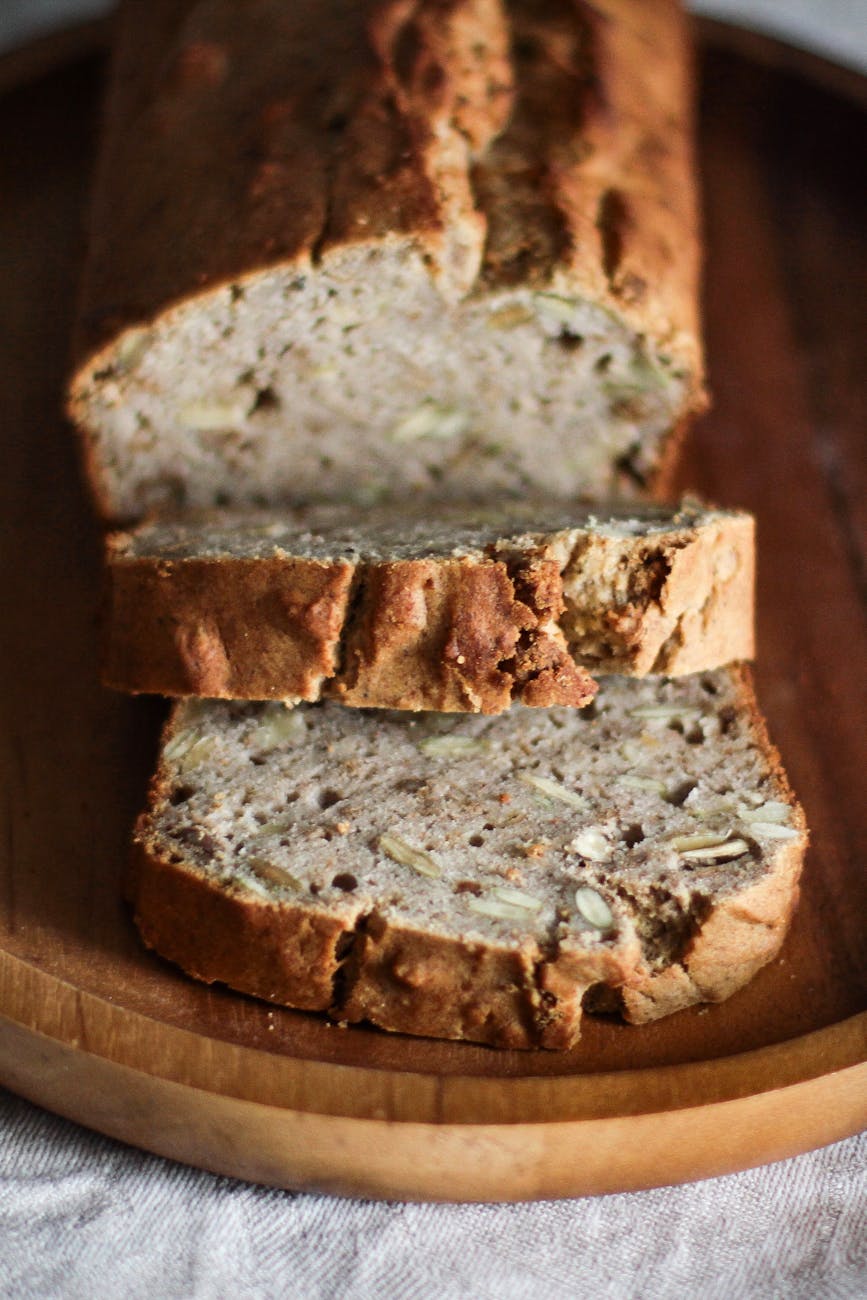
Baking your own bread allows for full control over the ingredients, ensuring you can avoid harmful additives and incorporate whole, nutritious ingredients. Here are some benefits and tips for making healthier bread at home:
1. Control Over Ingredients
- Tip: Opt for natural sweeteners like honey or maple syrup instead of HFCS.
2. Incorporation of Whole Grains
- Tip: Use whole grain flours like whole wheat or spelt to increase fiber and nutrient content.
3. Experimentation with Healthier Alternatives
- Tip: Try gluten-free or low-carb flour alternatives to cater to dietary needs.
4. Avoidance of Preservatives
- Tip: Homemade bread doesn’t need preservatives, as it’s meant to be consumed within a few days.
Alternatives to Traditional Wheat Bread
When making your own bread, there are several healthful alternatives to consider:
- Gluten-Free Options:
- Example: Almond flour or coconut flour breads are excellent for those with gluten intolerance.
- Benefits: Lower in carbs and free of gluten.
- Macros (Almond Flour Bread): Per slice: Approx. 160 calories, 6g carbs, 14g fat, 6g protein.
- Low-Carb Breads:
- Example: Breads made from flaxseed or almond flour.
- Benefits: Helpful for managing blood sugar and supporting weight loss.
- Macros (Flaxseed Bread): Per slice: Approx. 130 calories, 8g carbs, 9g fat, 5g protein.
- Whole Grain Breads:
- Example: Breads made using whole wheat, oat, or spelt flour.
- Benefits: Rich in fiber and essential nutrients like B vitamins.
- Macros (Whole Wheat Bread): Per slice: Approx. 100 calories, 20g carbs, 1g fat, 4g protein.
- Sprouted Seed Breads:
- Example: Breads made from sprouted grains like Ezekiel bread.
- Benefits: Increased availability of nutrients and easier digestion.
- Macros (Sprouted Grain Bread): Per slice: Approx. 80 calories, 15g carbs, 0.5g fat, 4g protein.
Tips from the Pros for Excellent Homemade Bread
- Hydration is Key: Ensure your dough is adequately hydrated to aid in gluten development and yield a better crumb.
- Slow Fermentation: Allow your dough to ferment slowly, possibly in the refrigerator overnight, to enhance flavor and texture.
- Steam While Baking: Introducing steam into your oven during the first few minutes of baking can help achieve a crispy crust.
Conclusion
Making bread at home can be a rewarding process that not only caters to your health needs but also opens up a world of culinary creativity. By choosing healthier ingredients and avoiding harmful additives, homemade bread can be a nutritious part of your diet. Whether you opt for gluten-free, low-carb, whole grain, or sprouted seed bread, each type offers distinct health benefits that cater to various dietary preferences and needs. Happy baking!
*AI assist
Discover more from Living The Lunar Calendar with Beth
Subscribe to get the latest posts sent to your email.
 Living The Lunar Calendar with Beth