
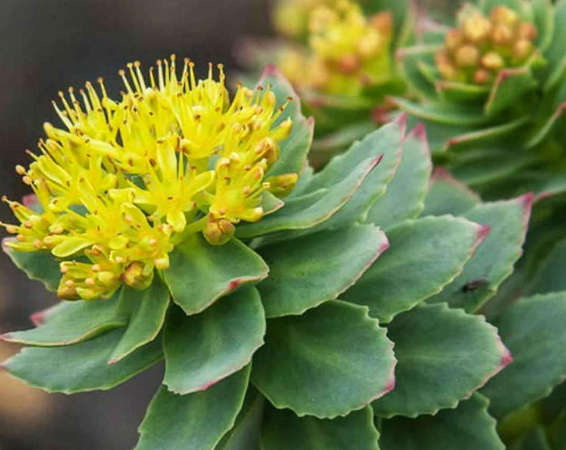
Rhodiola Rosea, known as Hong Jing Tian in Traditional Chinese Medicine (TCM), is a remarkable herb that has been used for centuries to enhance physical and mental endurance, treat fatigue, and protect against stress-related ailments. Its adaptogenic properties make it a popular choice for those looking to naturally boost resilience and overall well-being. In this blog, we delve into the multifaceted benefits of Rhodiola, backed by scientific studies and grounded in TCM practices.
TCM Actions and Benefits
In Traditional Chinese Medicine, Rhodiola is prized for its ability to invigorate Qi (vital energy), clear the mind, and harmonize the spirit. It is often used to:
- Enhance the body’s ability to handle stress
- Combat fatigue
- Improve mental clarity and focus
Signs and Symptoms Addressed
Rhodiola is particularly beneficial for:
- Chronic fatigue and weakness
- Depression and emotional stress
- Mental fog and impaired concentration
- Physical exhaustion from prolonged work or exercise
Conditions It Helps
Rhodiola has been shown to aid in several conditions:
- Stress and Anxiety: It helps regulate cortisol levels, reducing the body’s stress response.
- Depression: It enhances neurotransmitter levels, improving mood and emotional balance.
- Fatigue: It increases energy levels and reduces recovery time in both mental and physical performance.
- Immune Function: It boosts immune system performance, particularly under stress.
Cautions with Medications*
Rhodiola may interact with certain medications, including:
Antidepressants
These medications typically affect neurotransmitter levels in the brain, such as serotonin, norepinephrine, and dopamine, to help improve mood and reduce symptoms of depression. It can potentially interfere with, or enhance the effects, of serotonin and other neurotransmitters, leading to imbalances. Consult your physician and monitor your progress with them should you decide to try this herb. Here are three common types of medications that could be effected by Rhodiola supplementation.
- SSRIs (Selective Serotonin Reuptake Inhibitors)
- Examples:
- Fluoxetine (Prozac)
- Sertraline (Zoloft)
- Citalopram (Celexa)
- Examples:
- SNRIs (Serotonin and Norepinephrine Reuptake Inhibitors)
- Examples:
- Venlafaxine (Effexor XR)
- Duloxetine (Cymbalta)
- Desvenlafaxine (Pristiq)
- Examples:
- Tricyclic Antidepressants
- Examples:
- Amitriptyline (Elavil)
- Nortriptyline (Pamelor)
- Imipramine (Tofranil)
- Examples:
Blood Pressure Medications
These drugs are used to manage hypertension by various mechanisms, such as dilating blood vessels or reducing heart rate. Rhodiola has potential blood pressure-lowering effects, which could enhance or conflict with existing hypertension treatments. You would need to be monitored by your physician if you decide to try this herb. Here are three common types of prescriptions that Rhodiola may effect:
- ACE Inhibitors (Angiotensin-Converting Enzyme Inhibitors)
- Examples:
- Lisinopril (Prinivil, Zestril)
- Enalapril (Vasotec)
- Ramipril (Altace)
- Examples:
- Beta-Blockers
- Examples:
- Metoprolol (Lopressor, Toprol-XL)
- Atenolol (Tenormin)
- Propranolol (Inderal LA)
- Examples:
- Calcium Channel Blockers
- Examples:
- Amlodipine (Norvasc)
- Diltiazem (Cardizem, Tiazac)
- Nifedipine (Procardia, Adalat CC)
- Examples:
Diabetes Medication
These medications help manage blood sugar levels in patients with diabetes. Rhodiola may lower blood sugar, necessitating adjustments in insulin or oral diabetes medication dosages. Check with your doctor before starting and monitor. Here are three common types of medications that may be impacted by supplementing Rhodiola:
- Insulins
- Examples:
- Insulin glargine (Lantus)
- Insulin lispro (Humalog)
- Insulin aspart (NovoLog)
- Examples:
- Sulfonylureas
- Examples:
- Glipizide (Glucotrol)
- Glyburide (DiaBeta, Glynase)
- Glimepiride (Amaryl)
- Examples:
- Metformin
- Example:
- Metformin (Glucophage)
- This is a category by itself but deserves mention due to its widespread use.
- Example:
When taking Rhodiola or any herbal supplements, it’s crucial to be aware of potential interactions with these medications. Always consult with a healthcare provider before starting Rhodiola, particularly if you are being treated for depression, hypertension, or diabetes. Your doctor can provide guidance based on your specific medical history and current medication regimen.
Daily Dosage and Consumption Recommendations
- Dosage: The recommended daily dosage of Rhodiola extract is typically between 200-600 mg, taken in divided doses.
- Timing: It is best taken in the morning and early afternoon to prevent interference with sleep due to its energizing effects.
Why Not to Take It at Night
Due to its stimulating properties, taking Rhodiola at night can lead to difficulties in falling asleep or restlessness, much like consuming caffeine before bedtime. This is a morning supplement.
Scientific Studies
- Study on Fatigue: A 2017 study published in “Frontiers in Pharmacology” found that Rhodiola extract significantly reduced physical and mental fatigue in patients subjected to stress and prolonged challenging conditions [1].
- Study on Depression: Research published in the “Nordic Journal of Psychiatry” showed that Rhodiola could reduce symptoms of depression, proving to be an effective treatment in mild to moderate depression [2].
- Study on Cognitive Function: A study in “Phytotherapy Research” demonstrated that Rhodiola intake improved cognitive function and reduced mental fatigue under stressful conditions [3].
Conclusion
Rhodiola Rosea is a potent adaptogen with a rich history in traditional medicine and strong backing by modern science. Whether you’re looking to boost your mental performance, enhance your physical endurance, or protect against stress, Rhodiola offers a natural solution. However, it’s important to consult with a healthcare provider before starting any new supplement regimen, especially if you are on medication or have existing health issues.
By understanding how to use Rhodiola effectively and safely, you can harness its full potential to support your health and well-being.
References
- [Frontiers in Pharmacology, 2017]
- [Nordic Journal of Psychiatry, 2015]
- [Phytotherapy Research, 2018]
- *AI assist
Discover more from Living The Lunar Calendar with Beth
Subscribe to get the latest posts sent to your email.
 Living The Lunar Calendar with Beth