

Western medicine and Traditional Chinese Medicine (TCM) approach kidney health a little differently. I’ll break down the essential aspects of each, from signs of imbalance to treatment recommendations and the best foods and supplements for your kidneys.
Western Approach to Kidney Function
- Kidney Function: The kidneys filter waste and excess substances from the blood, regulate fluid and electrolyte balances, and manage blood pressure.
- Signs and Symptoms of Imbalance:
- Swelling in ankles, feet, or hands (edema)
- Fatigue and weakness
- Difficulty concentrating and sleeping
- Changes in urine output and color
- High blood pressure
Western Treatments and Recommendations
- Treatments and Common Drugs:
- ACE inhibitors (e.g., lisinopril) and ARBs (e.g., losartan) for blood pressure control and kidney protection.
- Diuretics to manage fluid retention.
- Erythropoiesis-stimulating agents for anemia related to kidney disease.
- Phosphate binders to help control high phosphate levels.
- Dietary Recommendations:
- Limit salt and high-potassium foods.
- Moderate protein intake.
- Stay hydrated, but monitor fluid intake if advised.
TCM Approach to Kidney Function
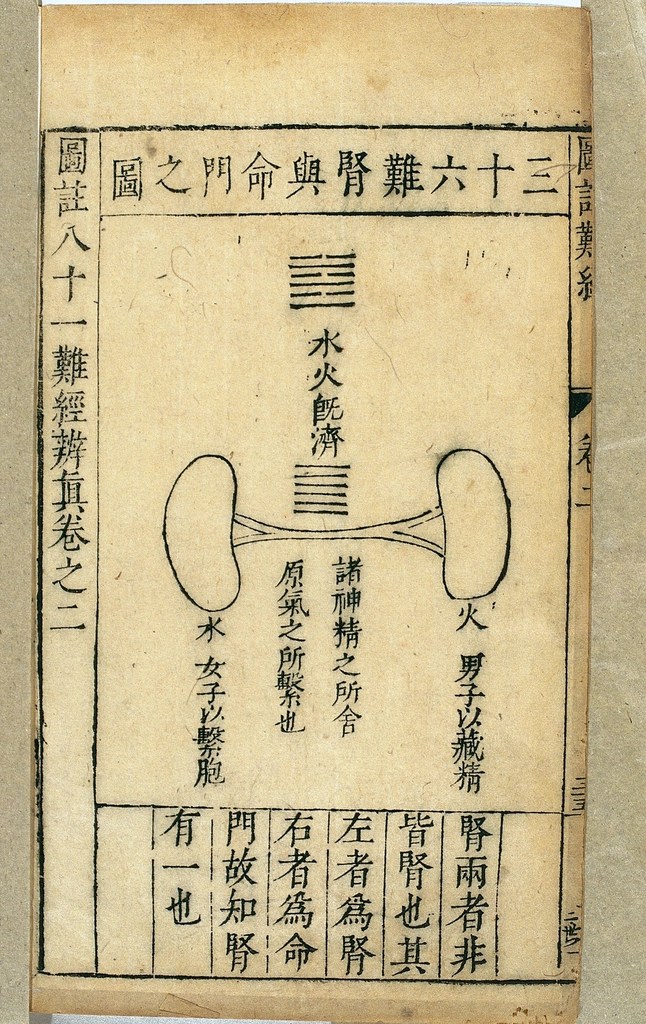
- Kidney Function in TCM: Kidneys are seen as the source of vitality and essence. They govern growth, reproduction, and aging.
- Signs and Symptoms of Imbalance:
- Lower back pain
- Cold limbs
- Tinnitus or hearing problems
- Frequent urination, especially at night
- Fearfulness or anxiety
TCM Syndromes Associated with Kidney Disease
- Kidney Yin Deficiency
- Kidney Yang Deficiency
- Kidney Qi Not Firm
- Kidney Essence Deficiency
TCM Treatments
- Chinese Herbal Formulas:
- Liu Wei Di Huang Wan for Kidney Yin Deficiency.
- Jin Gui Shen Qi Wan for Kidney Yang Deficiency.
- You Gui Wan for reinforcing kidney yang and essence.
- Acupuncture Points:
- KI3 (Taixi) – Nourishes kidney yin and yang.
- BL23 (Shenshu) – Strengthens the kidneys and back.
- Dietary Do’s and Don’ts:
- Include black sesame seeds and walnuts.
- Avoid cold and raw foods to protect kidney yang.
Top 10 Foods for Kidney Health and Why
- Cranberries: Prevent urinary tract infections.
- Blueberries: Rich in antioxidants.
- Fish (salmon, mackerel): Omega-3 fats reduce inflammation.
- Kale: High in vitamins and minerals, low in potassium.
- Garlic: Reduces inflammation and cholesterol.
- Cauliflower: High in vitamin C, folate, and fiber.
- Red bell peppers: Low in potassium, high in vitamins.
- Onions: Antioxidant properties.
- Apples: Reduce cholesterol, prevent constipation.
- Egg whites: High-quality protein, low in phosphorus.
Top 10 Kidney Supplements, Daily Dose, and Benefits
- Fish Oil: 1000 mg; reduces inflammation.
- Vitamin D: 800 IU; maintains bone health and normal kidney function.
- Magnesium: 200 mg; prevents kidney stones.
- Coenzyme Q10: 100 mg; energy production, antioxidant.
- B-complex vitamins: Specific dosages vary; essential for metabolism.
- Probiotics: Varies; promotes healthy digestion and immunity.
- Selenium: 55 mcg; antioxidant properties.
- Alpha-lipoic acid: 300 mg; helps manage blood sugar levels.
- N-acetylcysteine: 600 mg; antioxidant, supports kidney function.
- Curcumin: 500 mg; anti-inflammatory properties.
There you have it—a comprehensive rundown on how both Western and TCM can help keep your kidneys healthy. Whether you lean more towards modern medicine or traditional methods, there’s something here to help support your kidney health!
Discover more from Living The Lunar Calendar with Beth
Subscribe to get the latest posts sent to your email.
 Living The Lunar Calendar with Beth