

Step One towards a Low Carb Lifestyle
Move toward a Low Carb Lifestyle gradually. It’s more helpful to do it by steps. This way, you don’t shock your body. Sneaky, subtle steps down are more effective for many reasons. They cause less alarm to your systems. They allow for easier lifestyle adoption. The changes happen in sync with your mind and emotions. Better lifestyle choices can only happen with you break up with your survival choices mentally.
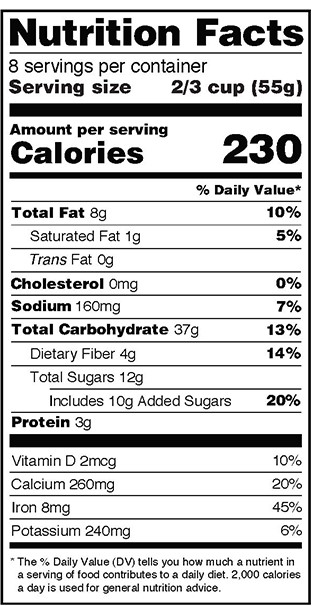
To manage your carbs, begin with the unnecessary added ones. Added sugars are the negatives ones that have to go first. Don’t worry about specific food groups yet. Just learn to read labels looking for the ones that have the most ADDED sugars. This item has 10g of added sugars. Food labels are now required to show added sugars under the Total Carbohydrate heading at the bottom, just before the Protein Heading.
Low-Carb Diets:
- Total Carbohydrates: When people refer to low-carb diets, they’re typically talking about reducing their overall intake of total carbohydrates. This reduction includes sugars, both added and naturally occurring. It also includes starches and dietary fiber. The specific threshold for “low-carb” can vary depending on the diet. However, it often involves consuming significantly fewer carbohydrates – less than the standard recommendation of 45% to 65% of your total daily calories.
- Common Thresholds: Some low-carb diets might suggest limiting total carbohydrate intake to under 100 grams per day, and more restrictive versions, like the ketogenic diet, often recommend less than 50 grams of total carbohydrates per day to achieve ketosis.
Added Sugars:
- Guidelines for Added Sugars: Separate from the concept of low-carb diets, dietary guidelines from health organizations like the WHO and the Dietary Guidelines for Americans recommend limiting added sugars to less than 10% of your total daily calorie intake. For a standard 2,000-calorie diet, this translates to less than 50 grams of added sugars per day. The aim here is to reduce the intake of sugars that are added to foods during processing or preparation, not to restrict total carbohydrate intake.
Key Distinctions:
- Low-Carb Diet: Focuses on reducing the total carbohydrate intake, which can vary but is often significantly lower than general dietary recommendations. The goal is usually weight loss, blood sugar control, or other health-related reasons.
- Limiting Added Sugars: Specifically targets added sugars, not the total carbs, to combat the negative health effects associated with excessive sugar consumption, such as obesity, heart disease, and type 2 diabetes. This approach doesn’t necessarily mean a low-carb diet but rather a diet low in processed and sugary foods. This approach is often recommended before going to the Low-Carb Diet.
Foods high in added sugars are pervasive in the modern diet, especially in processed and packaged goods. Consuming too much added sugar can lead to various health issues, including obesity, heart disease, type 2 diabetes, and dental problems.
Checking nutrition labels for added sugars is crucial, as they can appear in unexpected places. Check out this list of common foods with crazy added sugar amounts!!*
Here’s a list of 25 commonly eaten foods and beverages that are often high in added sugars:*
1. Soft Drinks
- Carbs: 39g per 12 oz can
- Added Sugars: 39g
2. Energy Drinks
- Carbs: 28g per 8 oz
- Added Sugars: 27g
3. Sports Drinks
- Carbs: 21g per 12 oz
- Added Sugars: 21g
4. Fruit Juices
- Carbs: 30g per 8 oz (100% juice can have natural sugars, but “drinks” often add more)
- Added Sugars: 0-25g depending on purity
5. Candy (e.g., Chocolate Bar)
- Carbs: 26g per 1.55 oz bar
- Added Sugars: 24g
6. Baked Goods (e.g., Chocolate Chip Cookies)
- Carbs: 30g per 2 cookies
- Added Sugars: 14g
7. Ice Cream
- Carbs: 28g per ½ cup serving
- Added Sugars: 21g
8. Cereals (e.g., Sweetened Cereal)
- Carbs: 30g per cup
- Added Sugars: 12g
9. Flavored Yogurt
- Carbs: 19g per 6 oz
- Added Sugars: 15g
10. Granola Bars
- Carbs: 20g per bar
- Added Sugars: 8g
11. Pancake Syrup
- Carbs: 52g per ¼ cup
- Added Sugars: 32g
12. BBQ Sauce
- Carbs: 18g per 2 tablespoons
- Added Sugars: 12g
13. Ketchup
- Carbs: 5g per tablespoon
- Added Sugars: 4g
14. Salad Dressing (e.g., French)
- Carbs: 5g per 2 tablespoons
- Added Sugars: 3g
15. Instant Oatmeal (Flavored)
- Carbs: 32g per packet
- Added Sugars: 12g
16. Canned Fruit (in Heavy Syrup)
- Carbs: 40g per ½ cup
- Added Sugars: 20g
17. Bottled Tea (Sweetened)
- Carbs: 18g per 8 oz
- Added Sugars: 18g
18. Coffee Drinks (e.g., Mocha Frappuccino)
- Carbs: 44g per 16 oz
- Added Sugars: 42g
19. Protein Bars
- Carbs: 20g per bar
- Added Sugars: 9g
20. Tomato Sauce (Canned, Sweetened)
- Carbs: 13g per ½ cup
- Added Sugars: 10g
21. Bread (e.g., White Bread)
- Carbs: 14g per slice
- Added Sugars: 2g
22. Alcoholic Beverages (e.g., Flavored Beer)
- Carbs: Varies widely – added sugar in mixers
- Added Sugars: Varies
23. Frozen Meals
- Carbs: 35g per meal (approx.)
- Added Sugars: 5-15g
24. Canned Soups
- Carbs: 15g per cup
- Added Sugars: 3-10g
25. Sweetened Dairy Alternatives (e.g., Almond, Oat or Soy Milk)
- Carbs: 16g per cup
- Added Sugars: 15g
Conclusion
These figures show the importance of checking both the total carbohydrates and added sugars in foods, especially processed and packaged items, to maintain a balanced diet and avoid excessive sugar intake. Opting for whole foods and unprocessed options where possible can significantly reduce added sugar consumption. Watch out for certain “health food” groups that present as healthy, but really just have soy and added sugars which ruin any other benefit of the food product.
Discover more from Living The Lunar Calendar with Beth
Subscribe to get the latest posts sent to your email.
 Living The Lunar Calendar with Beth
[…] Low Sugar: Bare minimum sweet stuff, even natural sugars, and caution on artificial ones. […]
LikeLike