
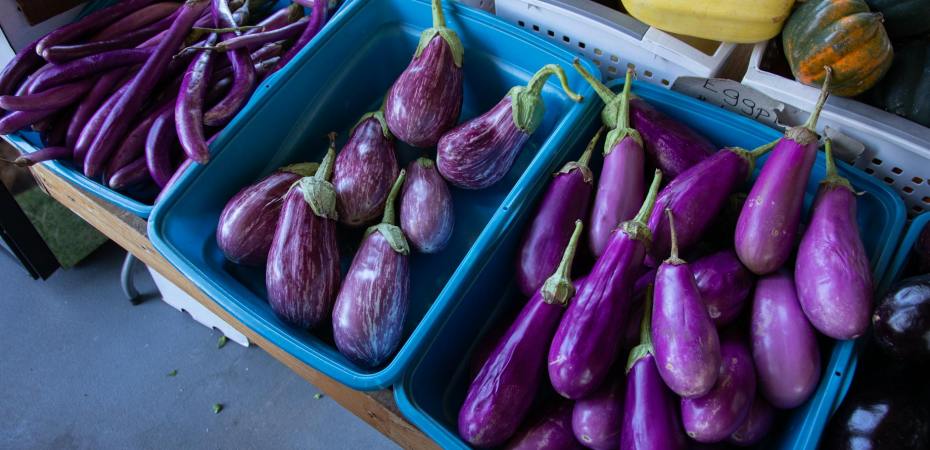
Nightshades are a diverse group of plants belonging to the Solanaceae family, which includes over 2,000 species. While many are not fit for consumption, several are staple foods in diets worldwide. Despite their nutritional benefits, nightshades are often scrutinized for their potential adverse health effects in sensitive individuals. This blog explores why nightshades may cause problems for some, the types of issues they can cause, and lists common nightshade vegetables and processed foods containing them.
Why Nightshades May Cause Problems
Nightshades contain various compounds that can affect health, including alkaloids and lectins. These substances serve as the plant’s natural defense mechanism but can be problematic for some people when ingested. Alkaloids, such as solanine and capsaicin, can contribute to inflammation and exacerbate conditions like arthritis and digestive disorders in sensitive individuals. Lectins, on the other hand, may impact gut health and lead to issues such as bloating and gas.
Potential Health Problems Linked to Nightshades
- Inflammation: Some believe nightshades can worsen inflammation, particularly in individuals with autoimmune diseases.
- Digestive Issues: Alkaloids may irritate the gut lining, leading to digestive discomfort for some people.
- Joint Pain: There’s a theory that nightshades can aggravate arthritis and joint pain, although scientific evidence is mixed.
- Allergies: Like any food, nightshades can trigger allergic reactions in a small percentage of the population.
10 Common Nightshades
- Tomatoes
- Potatoes (excluding sweet potatoes)
- Eggplants
- Bell Peppers
- Chili Peppers (including jalapeños and paprika)
- Goji Berries
- Tobacco
- Tomatillos
- Pepino Melons
- Pimentos
10 Common Processed or Convenience Foods Containing Nightshades
- Potato Chips – Made from potatoes, a staple nightshade.
- Tomato Sauces – Found in pasta sauces, pizza sauces, and ketchup.
- Salsa – Often contains tomatoes and chili peppers.
- Chili Powder – A spice blend made primarily from ground chili peppers.
- Curry Powders – Some blends contain nightshade spices like paprika.
- Paprika-Flavored Snacks – Includes chips, nuts, and crackers seasoned with paprika.
- Mashed Potato Mixes – Instant mixes are based on potato flakes.
- Eggplant Parmesan (Frozen Meals) – Contains eggplant as a primary ingredient.
- Stuffed Bell Peppers (Pre-made) – Bell peppers are a key component.
- Hot Sauces – Many varieties include chili peppers for heat.
Conclusion
Nightshades are integral to many diets, offering a range of nutrients such as vitamins, minerals, and fiber. However, they also contain compounds that can cause discomfort in sensitive individuals. If you suspect nightshades are contributing to health issues, consider conducting an elimination diet with the guidance of a healthcare professional to determine if your symptoms improve without these foods. Remember, dietary needs and sensitivities are highly individual, so it’s important to find what works best for your body.
*AI assist
Discover more from Living The Lunar Calendar with Beth
Subscribe to get the latest posts sent to your email.
 Living The Lunar Calendar with Beth