
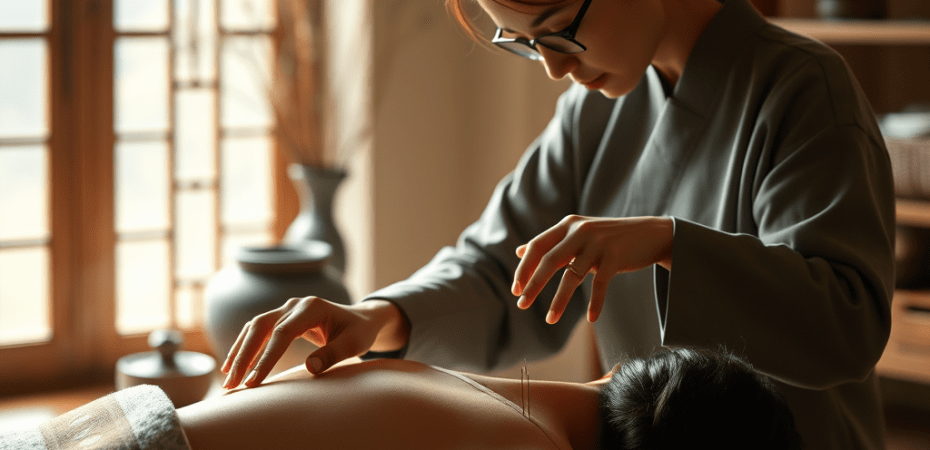
Autoimmune diseases are a group of conditions. In these conditions, the immune system mistakenly attacks the body’s own tissues. This leads to chronic inflammation and damage. These diseases are notoriously challenging to treat due to their complexity and their root in the body’s defense system. In Western medicine, treatments often focus on suppressing symptoms. They reduce inflammation through medications like steroids, immunosuppressants, or experimental biologics. However, this drug only approach can have significant side effects.
Traditional Chinese Medicine (TCM) offers a holistic approach. It aims to address the root cause of the disease rather than merely managing symptoms. TCM treats autoimmune diseases by restoring balance within the body. It regulates immune responses and strengthens the body’s natural ability to heal. While TCM is promising, it also requires consistent effort and lifestyle changes from the patient. Let’s explore why autoimmune diseases are so difficult to treat and how TCM can help.
Challenges of Treating Autoimmune Diseases
- Complex and Multifactorial Nature: Autoimmune diseases arise from a combination of genetic, environmental, and immune system factors. This makes it hard to pinpoint one cause or one treatment.
- Immune System Misfire: The immune system is supposed to protect the body from harm. Instead, it becomes the source of the problem. Treating this involves carefully adjusting immune responses without suppressing the body’s natural defenses too much.
- Chronic and Progressive: Many autoimmune conditions are lifelong, meaning treatment isn’t about curing but managing symptoms and slowing progression. This requires long-term commitment from both the patient and the practitioner.
- Western Treatments Can Be Harsh: Medications used in Western medicine often suppress the immune system to alleviate symptoms. However, they can come with severe side effects. These side effects include increased risk of infections, bone loss, and organ damage.
How TCM Can Help Autoimmune Diseases
Traditional Chinese Medicine views autoimmune diseases as a manifestation of internal imbalances. These imbalances include deficiencies in Qi (vital energy), Blood, or Yin. They also involve excess Heat, Dampness, or Cold in the body. TCM treatments focus on addressing these imbalances to restore harmony to the body.
To accomplish this in TCM, it takes years of study. Understanding these complex differences takes time and nuanced understanding of illness and healing in the body. Traditional Chinese Medicine is very good at this process. Everyone is different. It’s built into the medicine. This is why treating these conditions with an acupuncture specialist is recommended.
Here are some common autoimmune diseases and how TCM can help manage them:
1. Rheumatoid Arthritis (RA)
- Western View: A chronic inflammatory disorder that primarily affects the joints.
- TCM View: Rheumatoid arthritis is often associated with Wind-Damp-Cold or Wind-Damp-Heat, causing joint pain and stiffness.
- TCM Approach:
- Acupuncture: Helps reduce pain and inflammation in the joints by moving Qi and Blood.
- Herbal Medicine: Formulas like Du Huo Ji Sheng Tang (Angelica Pubescens and Sangjisheng Decoction) can dispel Wind-Damp and nourish the Liver and Kidneys to strengthen bones and tendons.
- Expertise Needed: The correct diagnosis of the type of pathogenic influence (Wind, Damp, Cold, or Heat) is essential, and this varies from patient to patient, requiring a skilled practitioner to differentiate patterns.
2. Lupus (SLE)
- Western View: A systemic autoimmune disease that can affect the skin, kidneys, heart, and joints.
- TCM View: Lupus is considered a Yin deficiency condition with Heat or Damp-Heat accumulation, often affecting multiple organs.
- TCM Approach:
- Herbal Medicine: Formulas like Qing Ying Tang (Clear the Nutritive Level Decoction) can cool the Blood and nourish Yin, helping to control flares.
- Diet and Lifestyle: Patients are encouraged to avoid foods that produce Dampness and Heat, such as fried or spicy foods.
- Expertise Needed: Lupus manifests differently in each patient, affecting various organs, and the practitioner must craft a personalized approach, requiring deep knowledge of how different patterns influence disease progression.
3. Multiple Sclerosis (MS)
- Western View: A neurological disorder in which the immune system attacks the protective covering of nerves, causing communication issues between the brain and the rest of the body.
- TCM View: MS is seen as a Spleen and Kidney deficiency, with phlegm obstructing the meridians and causing weakness and neurological issues.
- TCM Approach:
- Acupuncture and Herbal Therapy: Treatments aim to strengthen the Kidneys and Spleen to resolve Phlegm and clear obstructions from the meridians, which can improve muscle control and fatigue.
- Expertise Needed: MS symptoms can range from mild to severe, and different organ systems may be affected over time. Proper pattern diagnosis requires long-term monitoring and careful adjustments to treatment.
4. Hashimoto’s Thyroiditis
- Western View: An autoimmune disorder that damages the thyroid, leading to hypothyroidism (underactive thyroid).
- TCM View: Hashimoto’s is often linked to Qi and Yin deficiency, with Phlegm and Damp accumulation affecting the thyroid.
- TCM Approach:
- Herbal Medicine: Formulas like Liu Wei Di Huang Wan (Six-Ingredient Rehmannia Pill) are used to nourish Yin and tonify the Kidneys and Spleen, helping to regulate thyroid function.
- Diet: Avoiding cold and raw foods, which can further weaken Spleen Qi, is essential.
- Expertise Needed: Hashimoto’s can manifest differently in different patients, so an individualized approach is required. TCM practitioners need to identify whether the patient has more Qi or Yin deficiency and adjust treatments accordingly.
5. Psoriasis
- Western View: A skin condition where skin cells build up rapidly, causing scaly patches.
- TCM View: Psoriasis is related to Blood Heat, Wind, and Dryness.
- TCM Approach:
- Herbal Medicine: Formulas like Xiao Feng San (Eliminate Wind Powder) can clear Wind, cool the Blood, and moisturize Dryness to help reduce flare-ups.
- Acupuncture: Targets specific meridians to reduce inflammation and skin irritation.
- Expertise Needed: Psoriasis may be driven by different internal imbalances (Heat, Wind, Dryness), and the pattern often changes over time. A practitioner’s expertise is needed to continually adapt the treatment.
6. Inflammatory Bowel Disease (IBD)
- Includes Crohn’s Disease and Ulcerative Colitis.
- Western View: Chronic inflammation of the digestive tract.
- TCM View: Considered a result of Damp-Heat accumulation, Spleen Qi deficiency, or Kidney Yang deficiency.
- TCM Approach:
- Acupuncture: Helps regulate the digestive system, reduce inflammation, and improve nutrient absorption.
- Herbal Therapy: Huang Lian Jie Du Tang (Coptis Decoction to Relieve Toxicity) can clear Damp-Heat from the intestines, while Shen Ling Bai Zhu San (Ginseng, Poria, and Atractylodes Powder) strengthens Spleen Qi.
- Expertise Needed: Managing the complexity of IBD in TCM requires understanding both acute flare-ups and long-term maintenance, making professional guidance essential for effective care.
The Role of Expertise in TCM for Autoimmune Diseases
While TCM provides a holistic, natural approach to managing autoimmune conditions, expert diagnosis and treatment are crucial for success. Autoimmune diseases often present with overlapping symptoms and patterns, and misdiagnosing the root cause can lead to ineffective treatments.
- Personalized Treatments: TCM’s strength lies in its ability to tailor treatments to each patient’s unique constitution and disease pattern. Unlike Western medicine’s one-size-fits-all approach, TCM requires precise differentiation of syndromes (such as identifying Qi deficiency, Blood stasis, or Heat patterns).
- Ongoing Adjustments: Autoimmune conditions are chronic and can shift over time. A practitioner must regularly evaluate the patient’s symptoms, progress, and any changes in their body’s condition to adjust the treatment plan.
- Herbal Medicine Safety: Many herbs used in TCM have powerful effects on the body’s systems. An experienced TCM doctor knows how to balance these herbs, ensuring they work harmoniously without causing side effects.
Conclusion: TCM Requires Patient Dedication
Treating autoimmune diseases with TCM offers hope for long-term balance and symptom management, but it requires consistent effort from both the practitioner and the patient. Regular treatments, dietary changes, and lifestyle modifications are essential for the success of TCM therapies. With the right guidance and dedication, patients can find relief and improved quality of life, moving toward a state of harmony and balance.
Discover more from Living The Lunar Calendar with Beth
Subscribe to get the latest posts sent to your email.
 Living The Lunar Calendar with Beth