
You skipped that Dr. Gundry video on Lectins?! What the heck are Lectins? No worries. I got you.
Lectins are a class of proteins found in many plant-based foods. While they have been a topic of discussion in recent years, it’s essential to understand the potential dangers associated with lectins, their presence in various foods, and how to minimize your exposure.
What Are Lectins?
Lectins are naturally occurring proteins that plants use for self-defense. They act as a sort of biological weapon, deterring predators like insects and animals from consuming the plant. When consumed by animals or humans, lectins can sometimes cause digestive issues or other health concerns.
Dangers of Lectins
- Digestive Problems: Lectins can interfere with the lining of the gut and may cause digestive problems for some individuals. This can include symptoms such as gas, bloating, and diarrhea.
- Nutrient Absorption: Some lectins can interfere with the absorption of nutrients, such as minerals like calcium and iron, which could lead to deficiencies over time.
- Immune Response: In some cases, lectins may trigger an immune response, potentially contributing to inflammation and autoimmune conditions in susceptible individuals.
Foods High in Lectins
Lectins are most commonly found in:
- Legumes: Beans, lentils, and peanuts are known to contain lectins. Cooking these foods thoroughly can help reduce lectin content.
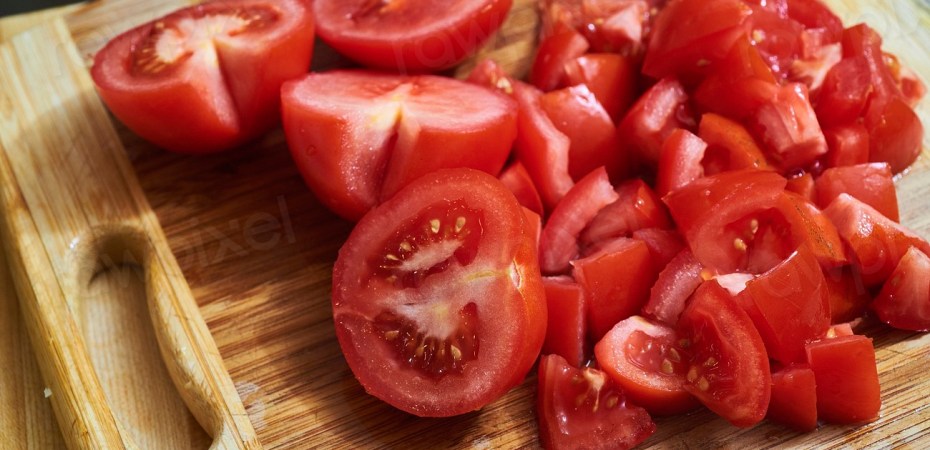
- Nightshades: Some nightshade vegetables like tomatoes, eggplants, and peppers contain lectins.
- Grains: Wheat, rice, and other grains have lectins, mainly in the outer layers that are removed during milling and processing.
- Dairy: Milk and dairy products can also contain lectins.
- Certain Nuts and Seeds: Almonds, sunflower seeds, and cashews are examples of nuts and seeds with lectins.
How to Reduce Your Lectin Intake
If you are concerned about the potential dangers of lectins, here are some strategies to reduce your lectin intake:
- Cook Thoroughly: Cooking, soaking, and fermenting foods can help reduce lectin content. For example, boiling or pressure cooking legumes can be effective.
- Peel and Deseed: Removing the skin and seeds from vegetables and fruits can reduce lectin intake.
- Diversify Your Diet: Avoiding excessive consumption of lectin-rich foods and incorporating a variety of foods can help minimize your exposure.
- Consult a Healthcare Professional: If you suspect lectins are affecting your health, consult with a healthcare professional to determine the best approach for your individual needs.
- Consider enzymes like protease, to break down unwanted proteins in your diet.
- Stay Hydrated. Eating a lot of protein causes dehydration.
In conclusion, lectins are naturally occurring proteins found in many plant-based foods, and while they can pose potential health concerns for some individuals, they are generally safe for most people when consumed as part of a balanced diet. Understanding the sources of lectins and employing appropriate cooking and food preparation techniques can help you enjoy a varied and nutritious diet while mitigating potential risks.
Discover more from Living The Lunar Calendar with Beth
Subscribe to get the latest posts sent to your email.
 Living The Lunar Calendar with Beth