

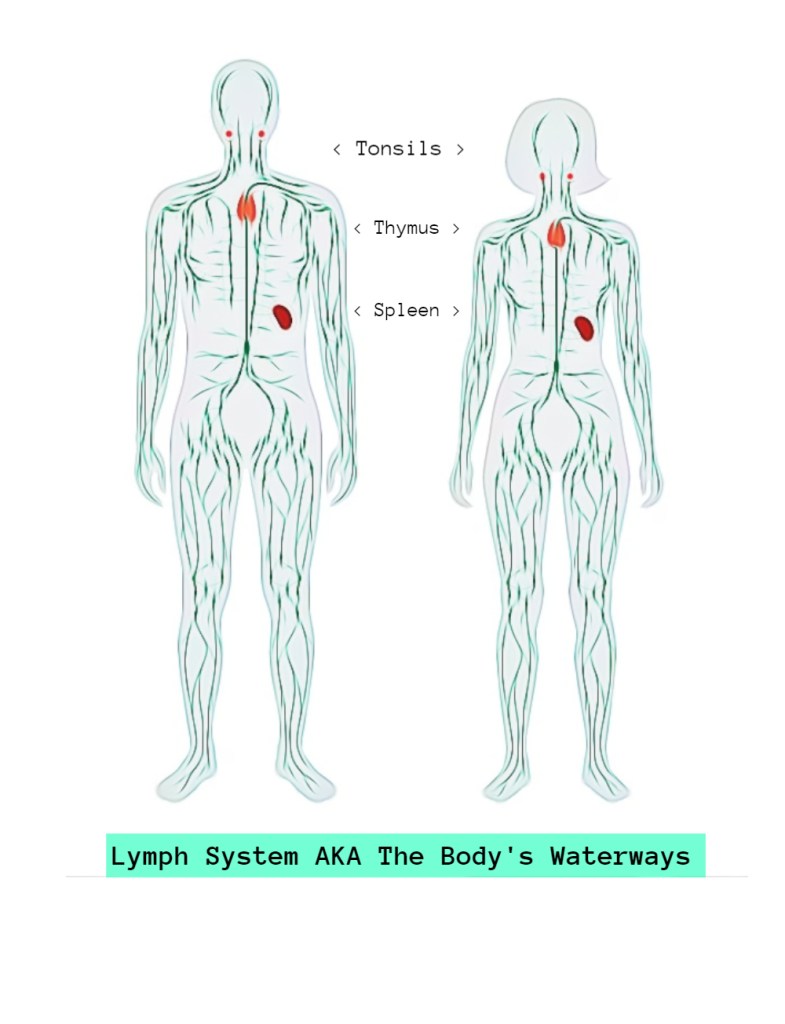
No one talks about their lymph system unless something has gone horribly wrong. Like an underground tunnel system, it’s easily overlooked, but actually, it’s a vital part of our immune system.
The lymph pathways of vessels, nodes, and organs, are like a cellular network for our phones, plays a vital role in keeping us connected, healthy, defending against infections, virus, and maintaining fluid balance. However, the lymphatic system can face challenges. In this blog, let’s explore what the lymphatic system is, its functions, signs of trouble, and practical, natural ways to keep it healthy.
Understanding the Lymphatic System:
The lymphatic system is like a sanitation crew for our body, responsible for filtering and draining excess fluid, waste, and harmful substances out of our waterways. It’s a key player in immune defense, fighting off foreign invaders and keeping us healthy. Just like any system, the lymphatic system can face issues. Poor diet, lack of exercise, and chronic stress can slow down the flow, leading to a sluggish lymphatic system. This can result in a range of symptoms.
Signs and Symptoms of a Sluggish Lymphatic System:
- Swelling in limbs, edema, showing poor circulation of water in the body.
- Fatigue, showing poor circulation of energy and nutrients to the brain.
- Recurrent infections, showing poor response to bacteria and viruses.
- Sore throats, inflamed swollen glands, showing phlegm and toxicity
- Stubborn weight gain, showing poor circulation and nutrient deficiency.
Chinese Medicine has Answers!
In Traditional Chinese Medicine (TCM), various diagnoses can be associated with lymphatic issues. This means that 2 people can have lymph issues, but have them for totally different reasons. TCM diagnoses are based on an individual’s overall health, and multiple environmental factors that may contribute to lymphatic problems. Here are some TCM diagnoses that might be related. See which ones relate to you.

Dampness and Phlegm Accumulation:
Description: TCM considers the accumulation of dampness and phlegm as a potential cause of lymphatic issues. This can lead to stagnation and obstruction in the body’s channels, affecting the flow of fluids, including blood and lymph. It’s caused by poor diet, lack of exercise, overuse of anti-biotics, living in hot damp environments.
Common Symptoms:
- Feeling heavy or lethargic
- Edema or water retention
- Foggy-headedness
- Excessive mucus or phlegm
- Digestive issues, such as bloating
Acupuncture Therapy: Acu-Points along the lung and spleen channels help expel phlegm and damp.
Example Herbal Formula: Er Chen Tang (Two Cured Decoction): dries dampness
Dietary Dos: Eat plenty of:
- Warm, Cooked Foods: Include warm, cooked foods in your diet, like soups and stews. Cooking helps to eliminate excess dampness.
- Herbs and Spices: Incorporate herbs and spices with drying properties, such as ginger, garlic, and cinnamon.
- Bitter Foods: Bitter foods like bitter melon can help to counteract dampness. Check out this blog on healing with bitter foods.
Dietary Don’ts: Avoid consuming:
- Dairy and Cold Foods: Avoid or minimize dairy products and cold/raw foods as they may contribute to dampness.
- Processed and Sugary Foods: Reduce processed and sugary foods, as they can exacerbate damp conditions.
- Excessive Damp Foods: Limit foods that are inherently damp, such as dairy, greasy foods, and excessive sweets.
Spleen Qi Deficiency:
Description: The spleen in TCM is responsible for transforming and transporting fluids in the body. If the spleen’s Qi (energy) is deficient, it may result in poor fluid metabolism, leading to issues like fluid retention and compromised lymphatic function. It’s caused by poor diet, lack of exercise, excessive worry and erratic eating schedules. Living in hot damp or cold damp environments aggravate symptoms.
Common Symptoms:
- Fatigue
- Weakness in limbs
- Poor appetite
- Loose stools or diarrhea
- Easily bruised
- Example Formula: Si Jun Zi Tang (Four Gentlemen Decoction) Boosts Spleen
- Dietary Dos:
- Warm, Nourishing Foods: Consume warm, nourishing foods like soups, cooked grains, and stews to support the spleen.
- Root Vegetables: Incorporate root vegetables like sweet potatoes and carrots for sweet nourishing earth energy.
- Food Enzymes & Probiotics: Use enzymes and Probiotics to aid digestion and to breakdown nutrients more efficiently. Check out this blog on the importance of Probiotics.
- Dietary Don’ts:
- Cold Foods: Avoid consuming cold or raw foods, as they can weaken the spleen.
- Excessive Damp Foods: Minimize damp-producing foods, such as cold, raw, greasy, excessively sweet and dairy, to support the spleen.
- Overeating: Avoid overeating, especially at night, as it can strain the spleen’s digestive function and divert the liver from filtering duties. Learn about the Daylight Diet by clicking here.

Liver Qi Stagnation:
Description: According to TCM, the liver is responsible for the smooth flow of energy and chemicals throughout the body. When there’s stagnation of liver flow, it can affect the hormonal timing and blood circulation, potentially impacting the lymphatic system. Chronic stress, poor sleep, skipping meals, poor health habits contribute.
Common Symptoms:
- Irritability or mood swings
- Tension or discomfort in the chest or ribcage
- Headaches, especially around the temples
- Digestive issues, such as bloating or belching
- Menstrual irregularities in women
Acupuncture Therapy: Points like LV3, LI4, or Ear Shen Men are used to help relax and promote the circulatory system.
Example Formula: Chai Hu Shu Gan San (Bupleurum Powder to Spread the Liver) helps the liver and digestive system work in harmony. Relieves bloating, hyperacidity, acid stomach.
Dietary Dos:
- Bitter Greens: Include bitter greens like kale and dandelion greens to help move liver Qi.
- Herbal Teas: Enjoy herbal teas like chamomile or peppermint to soothe the liver.
- Moderate Exercise: Engage in moderate exercise like walking or yoga to promote the smooth flow of liver Qi.
Dietary Don’ts:
- Excessive Fats: Avoid excessive consumption of fatty and greasy foods, as they may exacerbate liver Qi stagnation.
- Overstimulation: Minimize stimulants like caffeine and blue lights from too much screen time, which can contribute to increased liver Qi stagnation.
- High-Stress Activities: Reduce high-stress activities and find outlets for relaxation to support liver health. Check out information about Tai Chi, the perfect exercise for liver health.
Blood Stasis
Description: TCM identifies the importance of smooth blood circulation for overall health. Blood stasis refers to a condition where blood doesn’t flow smoothly, and this stagnation may impact the lymphatic system’s ability to function optimally. This happens after chronic illness, prolonged periods of lack of exercise, poor diets over long periods of time, genetic factors, and long standing emotional problems.
Common Symptoms:
- Sharp or stabbing pain
- Dark or purplish discoloration of the skin
- Varicose veins
- Menstrual clots or pain
- Cold extremities
Acupuncture: Known for increasing circulation of blood and energy, acupuncture and cupping are TCM therapies that move stagnant blood inside the body.
Example Herbal Formula: Tao Hong Si Wu Tang (Peach Kernel and Four Substance Decoction), treats poor blood circulation that causes internal pain.
Dietary Dos:
- Anti-Inflammatory Foods: Include foods rich in omega-3 fatty acids, such as flaxseeds and walnuts, to support blood circulation. Check out this blog for more information.
- Dark Leafy Greens: Incorporate dark leafy greens like spinach and kale, which are high in iron and support blood health.
- Citrus Fruits: Consume citrus fruits rich in vitamin C to promote blood vessel health.
Dietary Don’ts:
- Processed Foods: Avoid processed foods and excessive consumption of red meat, which may contribute to inflammation.
- Sedentary Lifestyle: Reduce prolonged periods of inactivity; engage in regular exercise to promote blood flow.
- Excessive Alcohol: Minimize alcohol consumption, as excessive alcohol can contribute to blood stasis.

Wei Qi Deficiency:
Description: Wei Qi, like an immunity shield, is the protective energy that circulates on the surface of the body, defending against external pathogens. If Wei Qi is deficient, it might affect the body’s ability to combat infections and maintain a healthy lymphatic and immune system. Indoor air, poor genes, poor diet and lack of exercise contribute.
Common Symptoms:
- Frequent colds or infections
- Fatigue
- Shortness of breath
- Spontaneous sweating
- Allergies or sensitivities to environmental factors
Acupuncture: Acu-Points like LI4, CV6, and ST 36 can offer protection.
Example Formula: Yu Ping Feng San (Jade Windscreen Powder)
Dietary Dos:
- Immune-Boosting Foods: Include immune-boosting foods like garlic, ginger, and medicinal mushrooms.
- Warm Soups: Consume warm, nourishing soups to support the immune system.
- Adequate Sleep: Ensure sufficient, quality sleep to promote the body’s immune function.
Don’ts:
- Excessive Cold Foods: Minimize excessive consumption of cold or raw foods, which can weaken the immune system.
- Overexertion: Avoid overexertion and excessive physical or mental stress, which can deplete Wei Qi.
- Inadequate Rest: Ensure adequate rest and avoid pushing the body beyond its limits.

Kidney Yang Deficiency:
Description: In TCM, the kidneys are associated with the transformation of fluids and the regulation of water metabolism. Kidney Yang deficiency may contribute to water retention and compromise lymphatic circulation. Common causes are aging, poor diet, sexual immoderation, side effects of medicines, and plunging too much.
Common Symptoms:
- Feeling cold, especially in the lower back
- Fatigue
- Weak or achy knees
- Frequent urination, especially clear and copious
- Low libido
Acupuncture Therapy: Certain Acu-Points on the ankles and back help restore functions associated with Kidney Yang.
Example Herbal Formula: Jin Gui Shen Qi Wan (Kidney Qi Pill from the Golden Cabinet)
Dietary Dos:
- Warm Foods: Prioritize warm, cooked foods to support the kidneys and yang energy.
- Nourishing Soups: Consume nourishing soups with bone broth and root vegetables.
- Moderate Salty Foods: Include moderate amounts of salty foods to support the kidneys.
Dietary Don’ts:
- Excessive Cold Drinks: Avoid excessive consumption of cold drinks, as they can weaken the kidneys.
- Highly Processed Foods: Minimize highly processed foods and excessive intake of caffeine, which can deplete kidney energy.
- Excessive Stress: Reduce stress and find stress management techniques to support overall kidney health.
Wind-Damp Invasion:
Description: External factors like wind (virus) and dampness (bacteria) in TCM can invade the body, causing blockages and disrupting the smooth flow of Qi and fluids, potentially affecting the joints, the lymph pathways and the immune system. Caused by exposure to environmental factors, poor diet, and lack of exercise.
Common Symptoms:
- Joint pain that moves around
- Sensation of heaviness in the limbs
- Muscle stiffness
- Headache exacerbated by windy or damp weather
- Swelling in the affected joints
Acupuncture: Acu Points Like ST40, 36, CV6, LI4 & GB20 can help the body expel and recover from pathogens.
Common Formula: Qiang Huo Sheng Shi Tang (Notopterygium Decoction to Overcome Dampness)
Dietary Dos:
- Warming Foods: Include warming foods like ginger, garlic, and cinnamon to dispel wind-dampness.
- Spices: Use spices like cayenne pepper and turmeric, known for their warming and anti-inflammatory properties.
Dietary Don’ts:
- Cold and Damp Foods: Minimize consumption of cold and damp-producing foods, such as dairy and raw foods.
- Stagnant Lifestyle: Avoid a sedentary lifestyle; engage in regular exercise to promote the circulation of Qi and dispel dampness.
- Excessive Cooling Herbs: Reduce the intake of cooling herbs like peppermint, as they may exacerbate damp conditions.
Remember, these suggestions are general guidelines. Individual responses may vary, and it’s advisable to consult with a qualified TCM practitioner for personalized advice based on your specific health condition and constitution. Feel free to contact me here to help you determine which pattern is at work.
Other Natural Solutions to Boost Your Lymphatic System:
Exercise: Regular physical activity, such as rebounding, yoga, qigong or Tai Chi, can stimulate lymphatic flow, helping your system do its job effectively.
Supplements: Consider adding these basic supplements to your routine:
- Vitamin C: Boosts immune function.
- Echinacea: Taken during flu season can supports the immune system.
- Bromelain: Aids in reducing inflammation.
- Probiotics: Helps maintain good environment in the waterways.
- Food Enzymes: Helps break down food and waste to keep waterways open.
- Soluable Fiber: Helps remove waste from body, easing strain on lymph.
Lymphatic-Friendly Foods:
- Water-rich fruits and veggies: Think watermelon, cucumber, and berries.
- Avoid processed foods and excess sugar: These can hinder lymphatic function.
Alternative Therapies:
- Dry brushing: Promotes lymphatic circulation.
- Massage therapy: Can aid in lymphatic drainage.
- Hydrotherapy: Alternating hot and cold water in the shower can stimulate lymph flow.
Remember, these suggestions aren’t a substitute for professional advice. If you’re considering significant lifestyle changes, consult with a healthcare professional to tailor a plan that suits your individual needs. Here’s to a thriving lymphatic system and a healthier you!
Discover more from Living The Lunar Calendar with Beth
Subscribe to get the latest posts sent to your email.
 Living The Lunar Calendar with Beth
[…] of Spleen Qi deficiency with dampness in your body as a glitch in the computer-like system where the Spleen acts as the central hub. Similar to a […]
LikeLiked by 1 person
[…] Maintaining a healthy lymphatic system is essential as it helps in detoxification, immune function, and fluid balance in the body. Here are some general tips to support and cleanse your lymph system: […]
LikeLike