
Dao Life Diet Influencers
Traditional Chinese Medicine (TCM) has it’s own unique set of dietary principles and recommendations. Here’s a good summary with some examples:
- Balancing Yin and Yang: (Hot/Cold – Dry/Damp – Stuck/Leaking – Empty/Full)
- TCM seeks to maintain harmony between Yin and Yang energies in the body. For example, if someone is experiencing excessive Yang (heat) symptoms, they might be advised to consume Yin (cooling) foods such as cucumbers, watermelon, or mung beans to balance their system.
- Harmonizing the 5 Primoridal Elements: (Earth, Ether/Metal, Water, Wood, Fire)
- Five Flavors:
- Sweet (Earth): Promotes spleen and stomach health. Examples include sweet potatoes and dates.
- Bitter (Fire): Clears heat and detoxifies. Bitter melon and dandelion greens are good choices.
- Spicy (Ether/Metal): Disperses stagnant energy. Ginger and garlic are common pungent foods.
- Sour (Wood): Aids liver function. Lemons and vinegar fall into this category.
- Salty (Water): Benefits Kidneys & Bladder. Softens hardness and directs energy downward. Seaweed and miso are examples of salty foods. Highlighted on Day 14 of the Dao Life Lunar Calendar.
- Five Colors:
- Red for the Heart (Fire Element): Supports blood circulation and heart function.
- Green for the Liver (Wood Element): Enhances liver health and detoxification.
- Blue/Black for the Kidney (Water Element): Strengthens kidney function and bones.
- White for the Lungs (Metal Element): Improves lung health and immune response.
- Yellow for the Spleen and Stomach (Earth Element): Aids digestion and energy metabolism.
- Five Flavors:
- Local and Seasonal Foods:
- Eating foods that are in season and locally sourced is thought to be more in harmony with the body’s needs. For instance, in the winter, you might consume warming foods like root vegetables, while in the summer, you’d opt for cooling fruits like watermelon.
- Food Energetics:
- Warming Foods: In colder weather, TCM suggests warming foods like lamb, ginger, and cinnamon to bolster Yang energy and fend off coldness.
- Cooling Foods: During hot weather, cooling foods like cucumber, melon, and mint can help reduce heat and cool the body.
- Food Preparation:
- TCM recommends methods like steaming, boiling, and simmering to retain the inherent energy and nutrients in food. For example, a simple vegetable stir-fry is a balanced and nutrient-rich preparation method.
- Herbs and Spices:
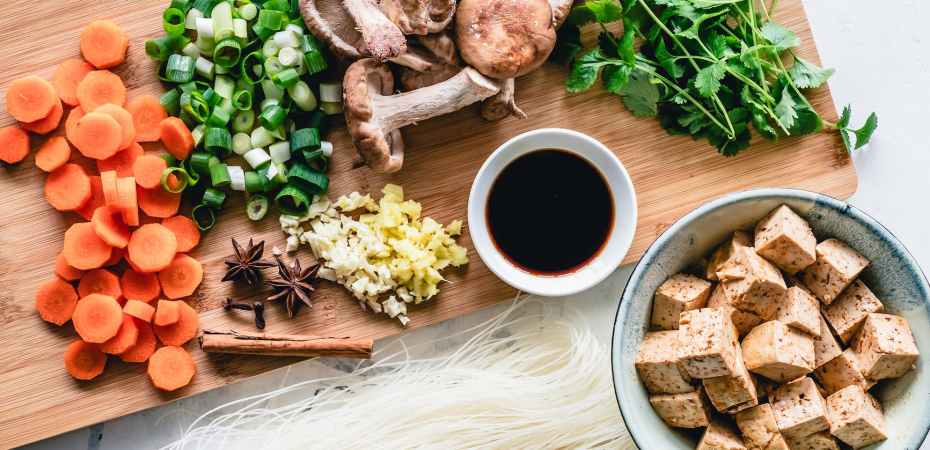
- Ginger, often used in TCM cuisine, is believed to have warming properties and aids digestion. It’s commonly added to soups, teas, and stir-fry dishes. Caution for folks in hot weather or who have issues with too much heat in their body system.
- Individualized Nutrition:
- A person’s unique constitution and health condition play a significant role in dietary choices. If someone has a Yin deficiency, nourishing foods like red meat, spinach, and black beans may be recommended.
- Food Combining:
- TCM suggests combining foods with different energies to create balanced meals. For instance, pairing a cooling food like cucumber with a warming food like chicken can create a harmonious balance in a dish.
- Meal Timing:
- Eating at regular intervals and not overindulging is advised. Consistent meal times help regulate the body’s energy flow. Breakfast, for instance, is considered an essential meal to kickstart the day’s energy.
- Hydration:
- Sipping on warm or room temperature water is preferred to avoid shocking the digestive system with cold or ice cold water which slows down digestion.
- Avoiding Excess:
- Overindulging in rich, sweet, or fatty foods can lead to imbalances. TCM encourages moderation and listening to the body’s cues for hunger and fullness.
- Emotional Connection:
- TCM acknowledges the impact of emotions on digestion and health. Emotional balance and mindfulness while eating are promoted. For example, taking a moment to appreciate your meal can enhance the overall dining experience. Turn off the TV and put down the phone. When you eat, just eat. You’ll be more mindful of how much you’re eating and how your body is responding to it.
It’s important to remember that TCM dietary recommendations are part of a holistic approach to health. These principles can be tailored to an individual’s specific health goals, constitution, and any imbalances they may be experiencing. Consulting with a qualified TCM practitioner can provide personalized guidance and dietary plans.
Discover more from Living The Lunar Calendar with Beth
Subscribe to get the latest posts sent to your email.
 Living The Lunar Calendar with Beth
Fascinating! TCM offers personalized dietary advice.
LikeLiked by 1 person
Yes! Everything in TCM is personalized to the individual, from the herbal formula to the points used during acupuncture therapy. No patient is treated the same.
LikeLike